

Healing the soil, farming for the future
Health over profit: Argyle Acres Farm in Liberty, Utah shows what the future of farming can look like with ‘soil first’ practices
NEWS
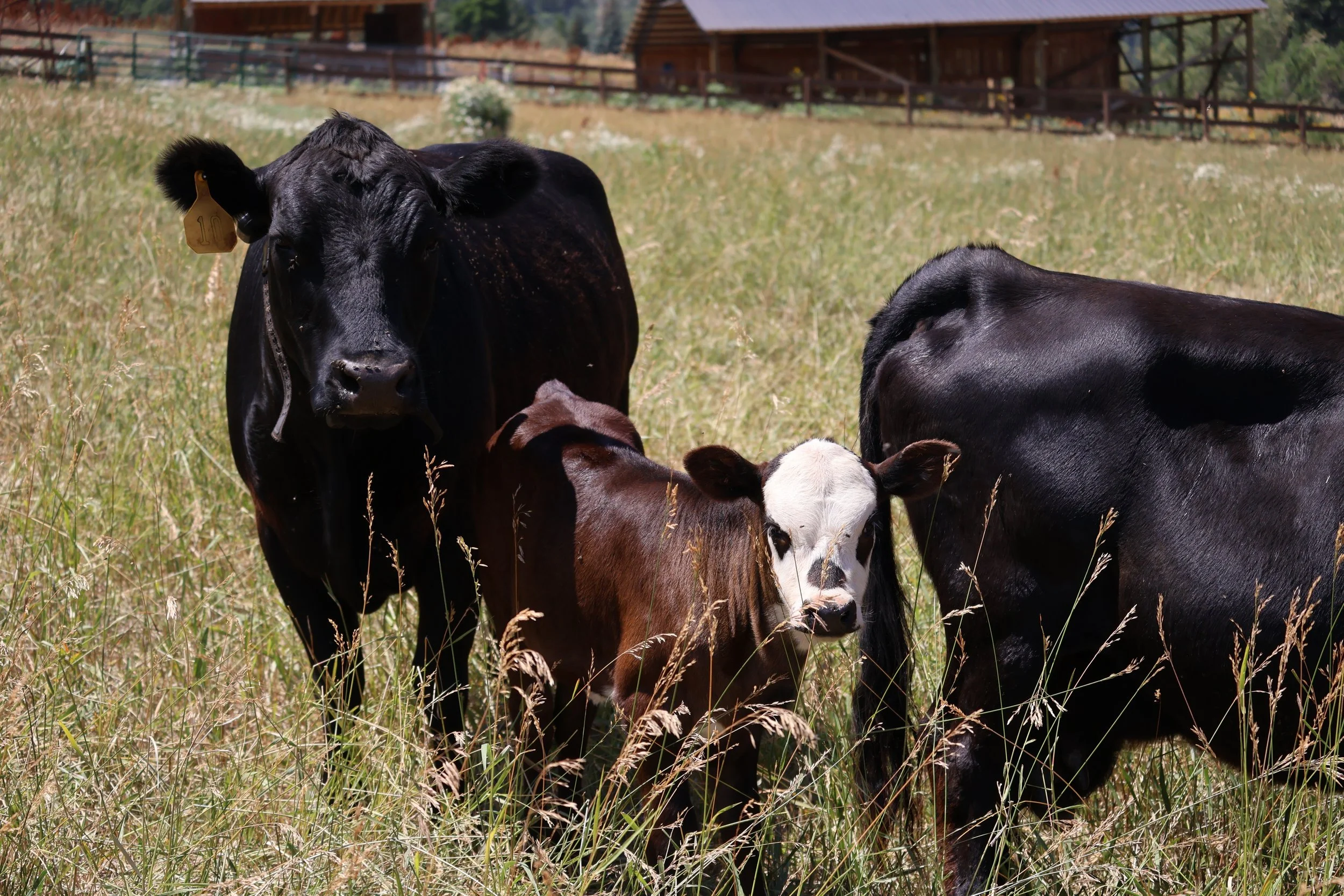
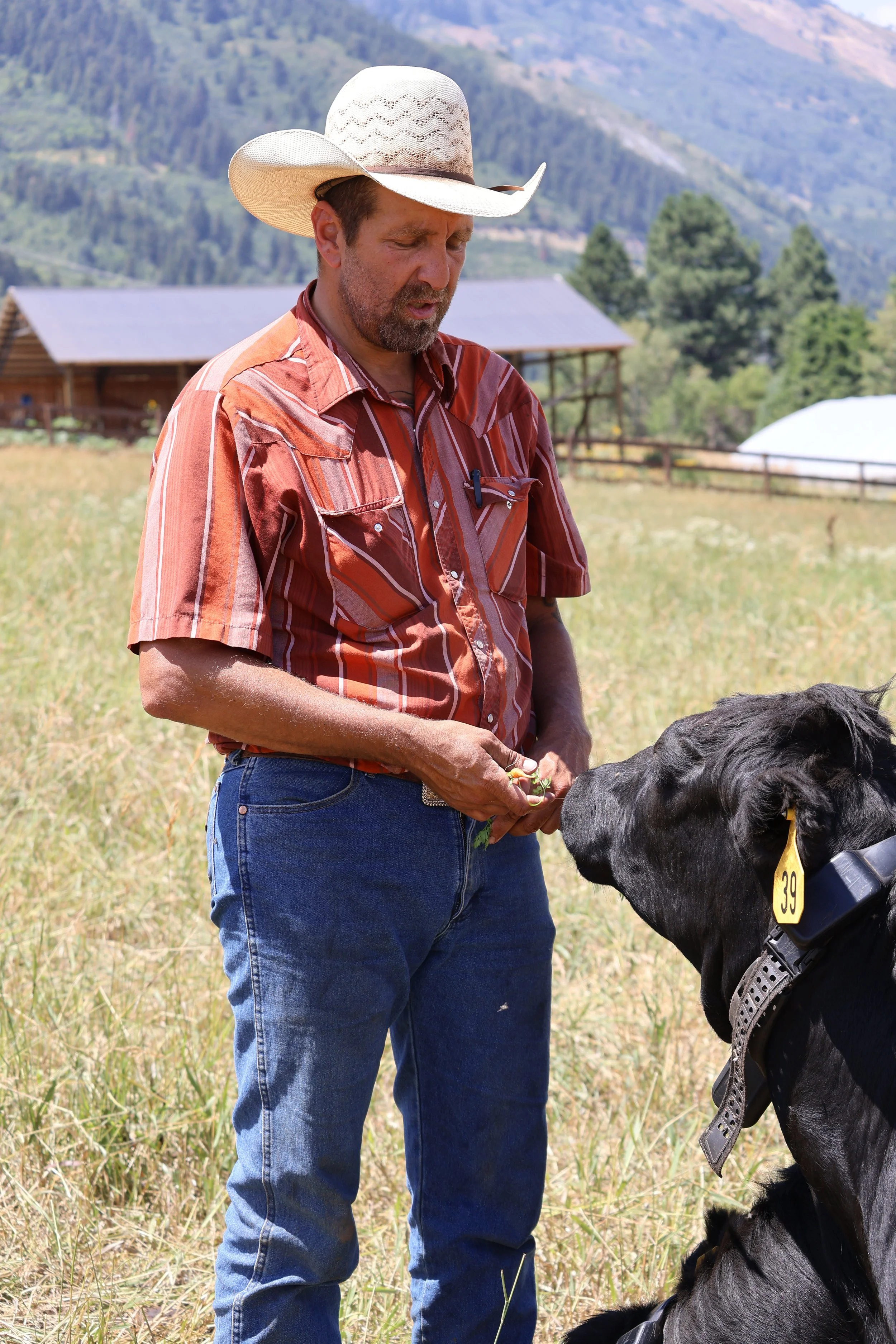
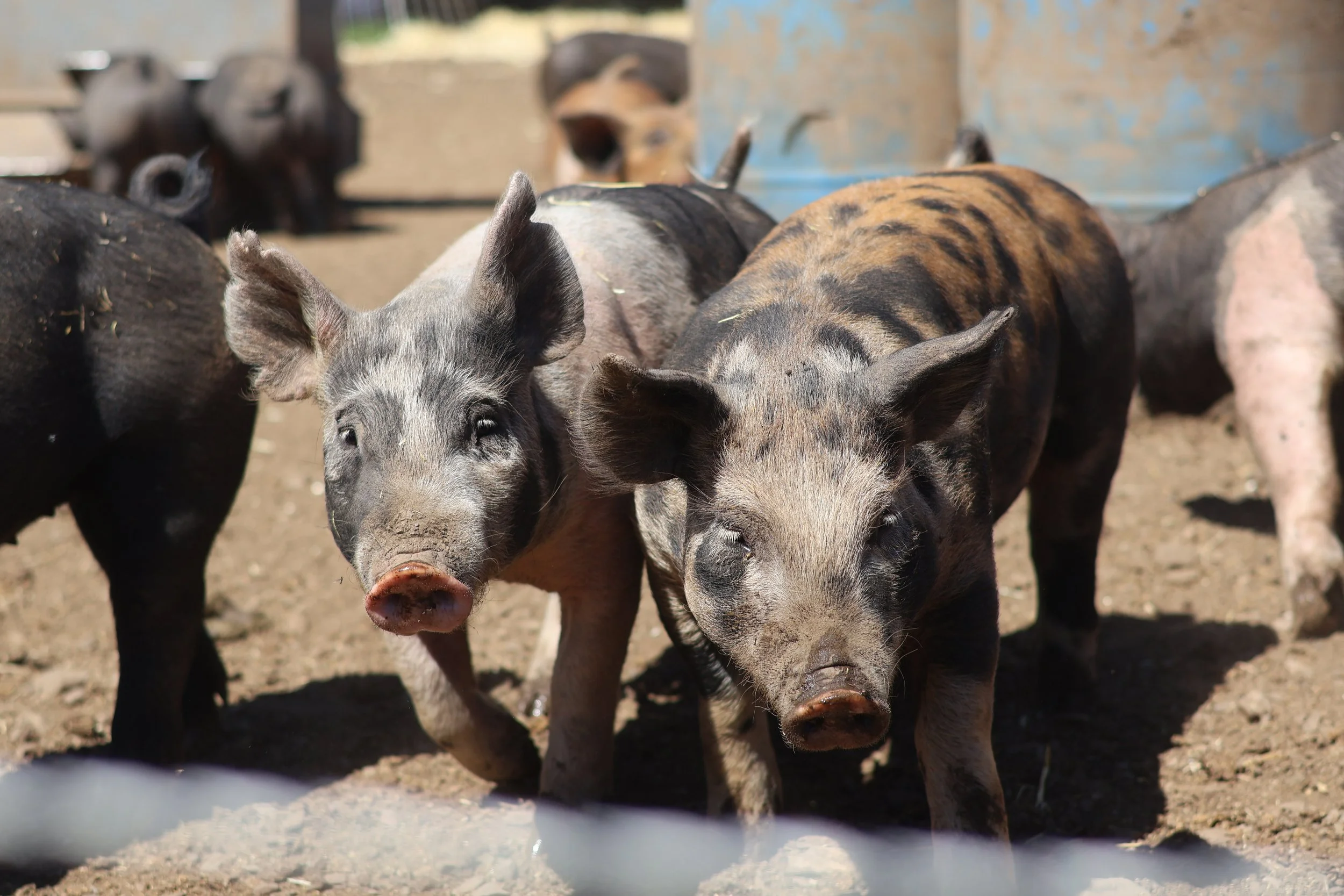
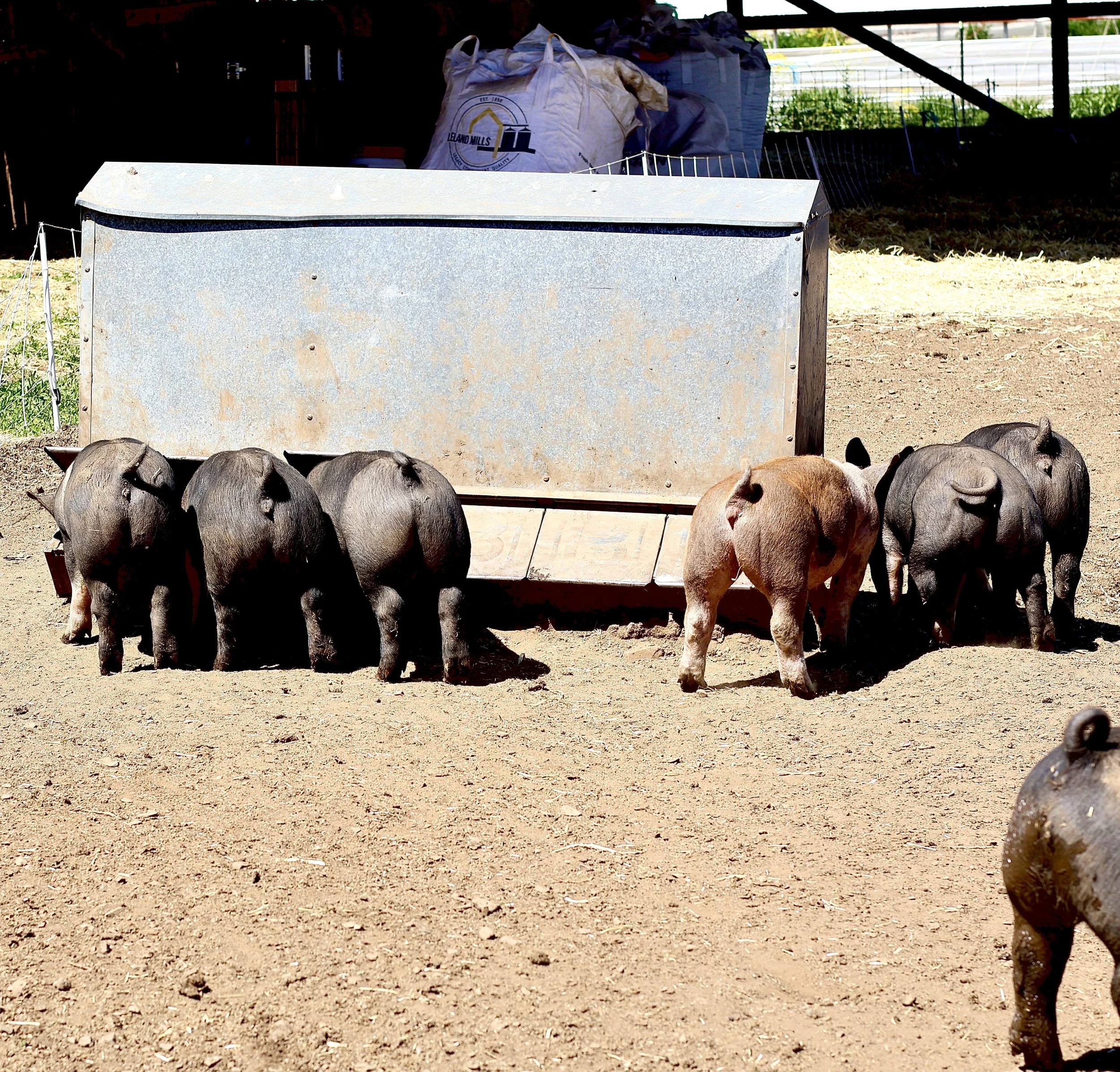
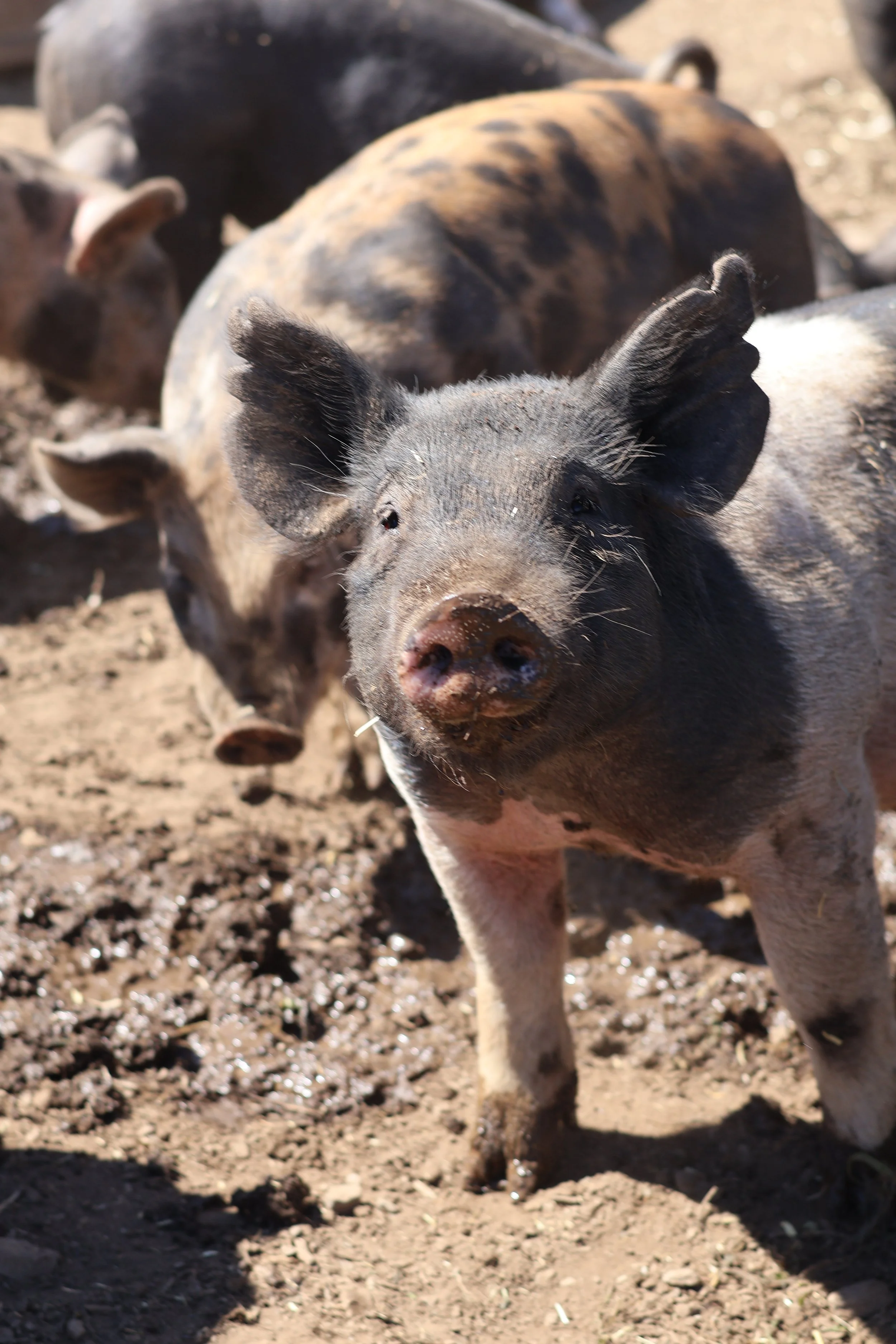
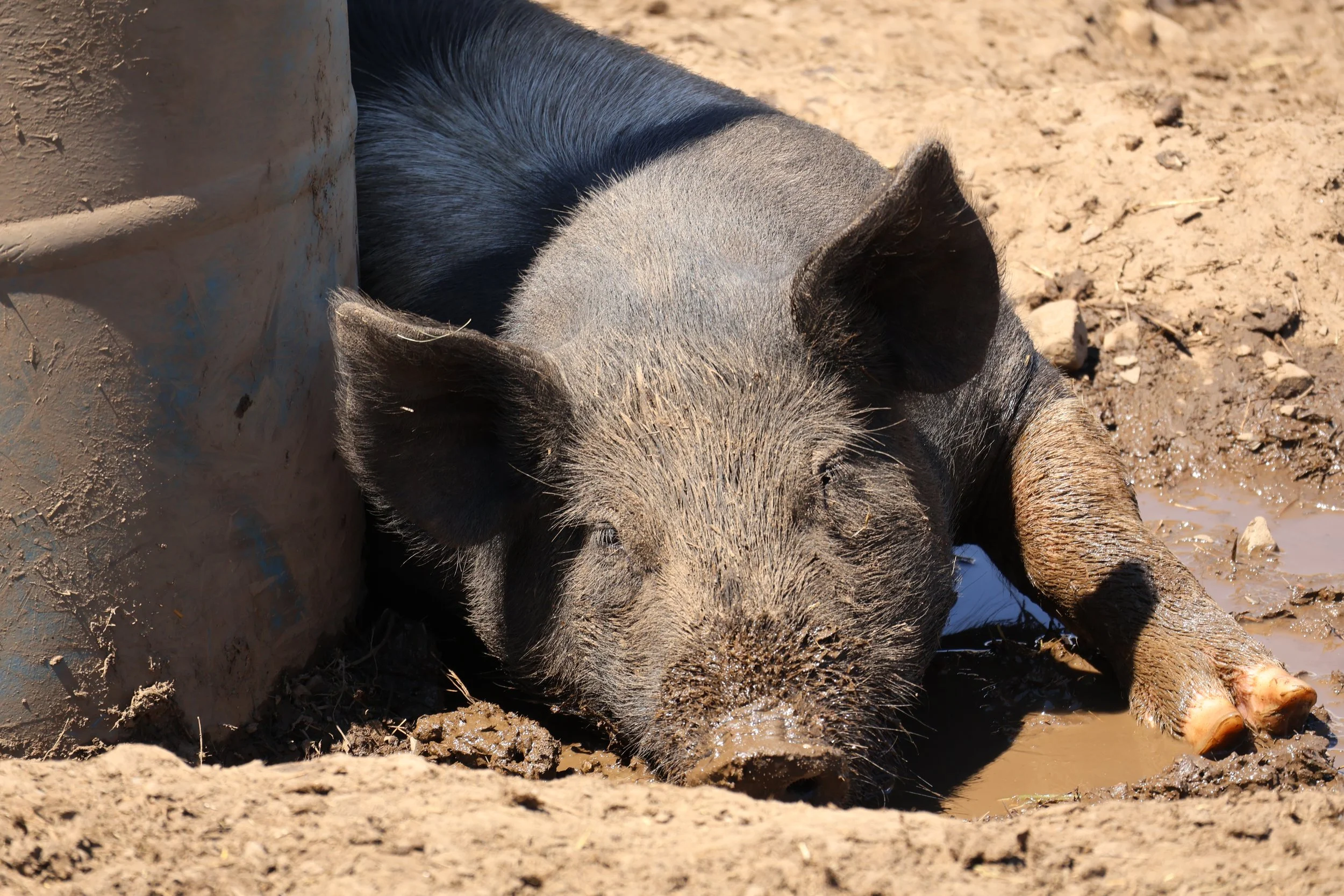
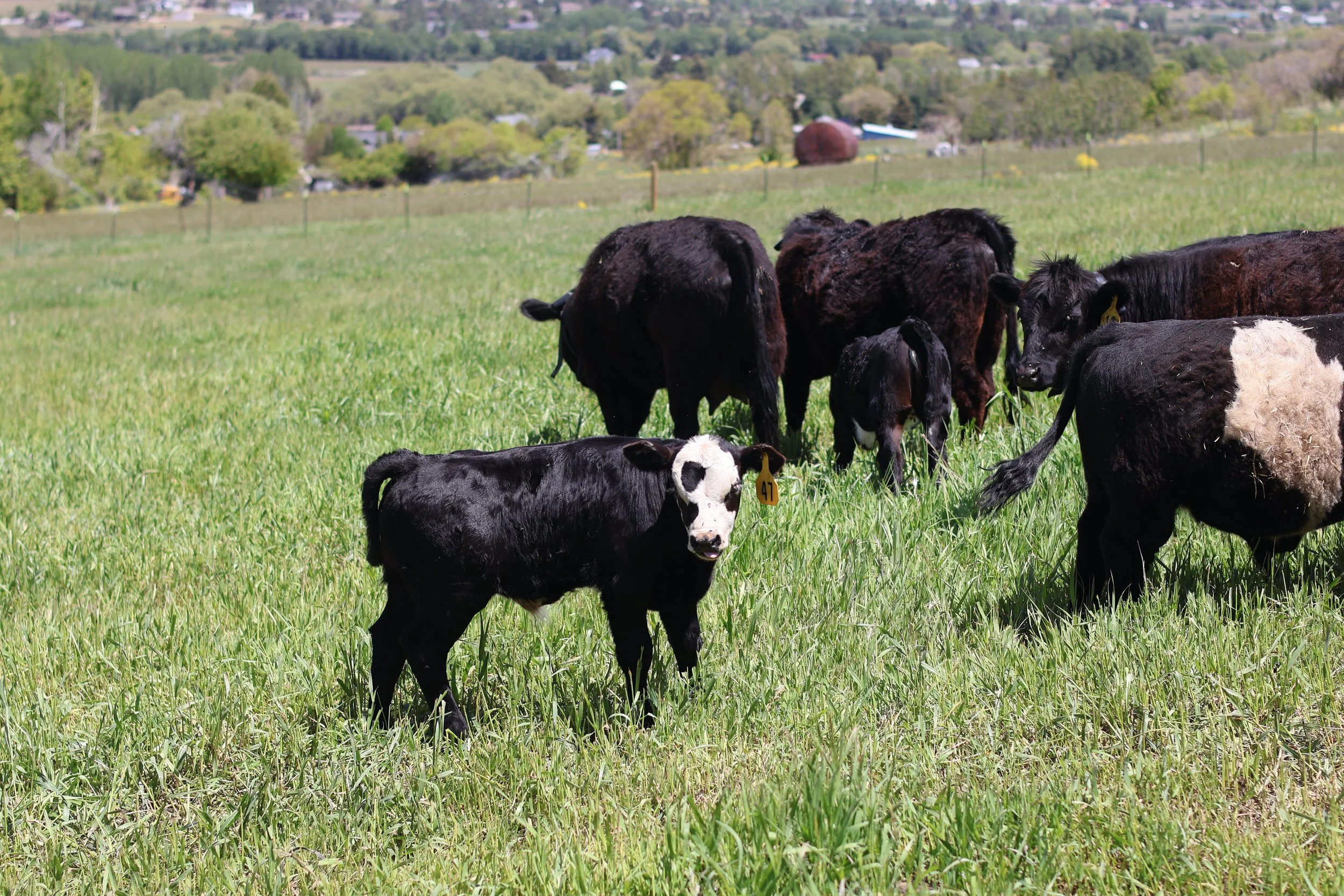
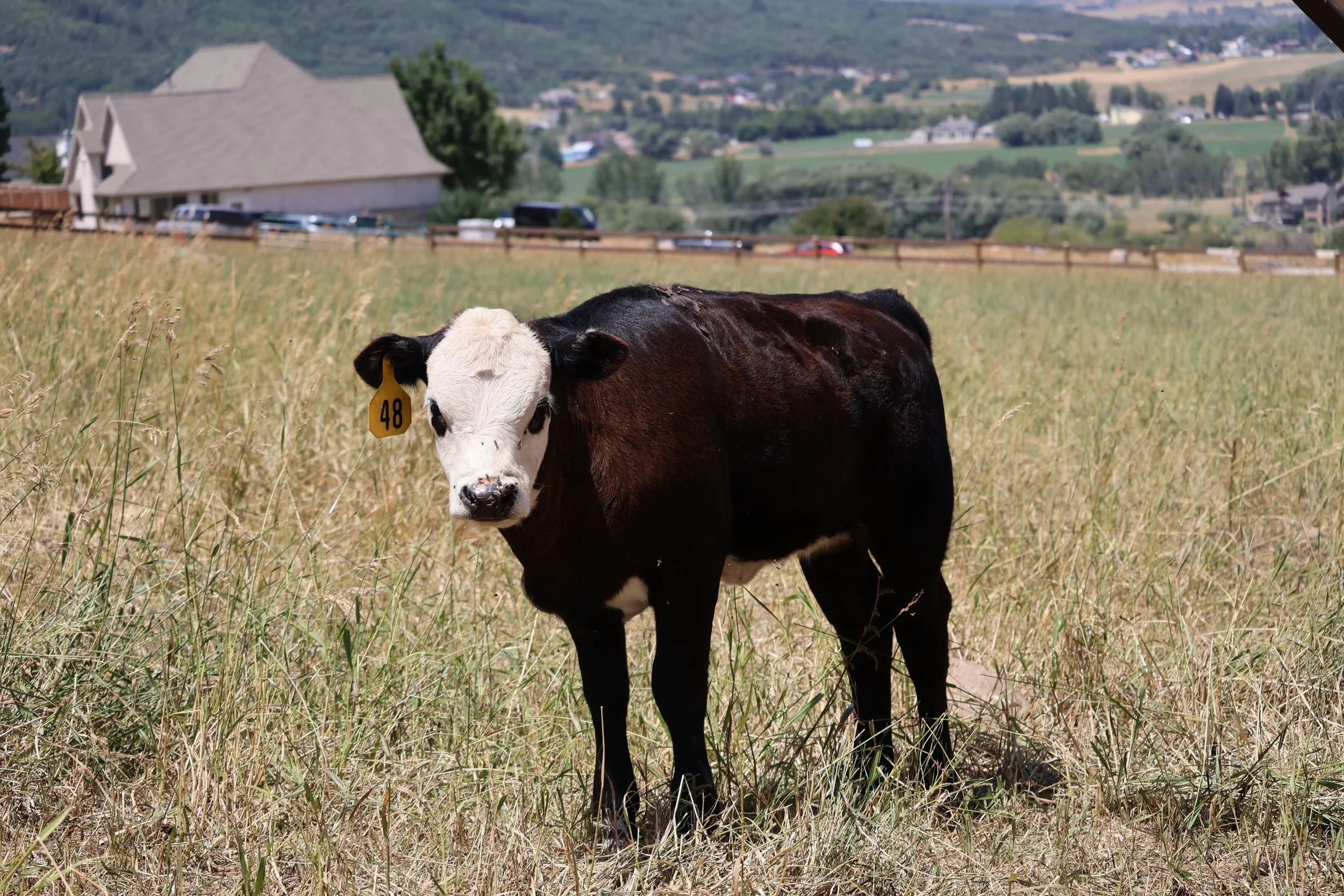
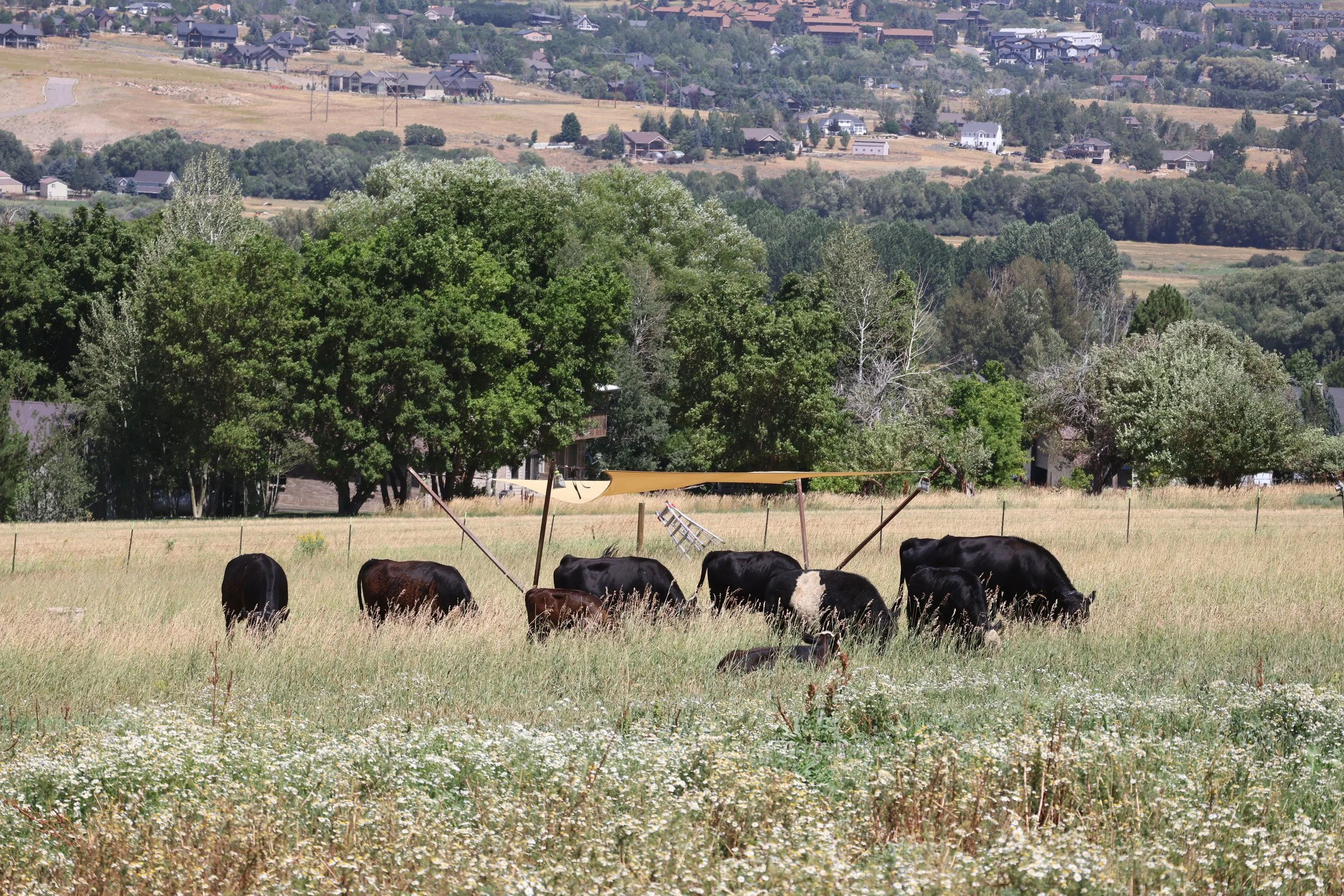
Cows graze, Farmer Chris Argyle feeds a carrot to one of his cows, and happy pigs are livin’ the good life at Argyle Acres Farm on July 23 in Liberty, Utah. Deann Armes
Argyle Acres Farm is undergoing a quiet agricultural revolution on 60 acres of land and a ranch it acquired in 2022 through a partnership with Harmony Ranch. On this chemical-free farm tucked away in Liberty, pigs wag their tails, friendly cows graze and chickens lounge in the shade on cool green grass. A flock of ducks mucks about the family porch, their preferred spot. Chamomile crowds barren spots near a perennial garden filled with native plants for bees. Chris Argyle, the farmer behind this regenerative operation, isn’t just raising livestock. He’s restoring the ecosystem naturally.
History of the Farm
Although Argyle was raised on a traditional farm, he and his wife, Amanda, shifted to regenerative practices 11 years ago. The transition was sparked by Amanda’s difficulty finding meat sources raised to her standards, leading the couple to produce their own. Today, they believe healing the land and reconnecting the community to it is the most sustainable path forward.
Soil First
At the core of regenerative farming is a "soil-first" philosophy.
"Without soil, you can’t have anything," Argyle said. "There are no animals, there are no plants... everything is dead."
By prioritizing ecological health over traditional profit margins, the farm uses animal movement to naturally replenish the earth. This process encourages deeper root systems, which Argyle expects will drastically limit the need for watering, if not eliminate it altogether.
"I tend to make decisions based upon what my soil needs before I make a decision based upon how much money my animal’s gonna put into my pocket," he said. "Sometimes these decisions are just better for us, period."
Natural grazing is essential to this restoration. When a cow eats, it wraps its tongue around the grass and pulls, shaking the root. This action disperses microbes, encouraging regrowth.
"When a lawnmower blade cuts, there’s none of that," he said. He compares a cow’s grazing to a "steroid" for the grass.
Similarly, the chickens are rotated daily and the pigs are utilized for land management; Argyle is moving his pigs to forested areas to clear underbrush for fire mitigation and encourage the return of native grasses.
"We have already stripped nature away from it," Argyle said of the land. "We can’t just walk away and let it be, because we have already taken away all the life. Now we have to regulate it."
By allowing animals to express their natural behaviors — such as the "pigginess" of foraging in the woods — the farm brings vitality back to the soil.
He currently has 50 tail-wagging pigs — a sign of a happy pig. In large-scale operations, he said, tails are often docked because stress leads pigs to bite one another. The industry is researching how to eliminate the "stress gene" to allow for high-density confinement, removing the natural instincts that signal to a pig it is not in the right environment.
“When we lose community, that's what happens... Corporations are allowed to do the most disgusting things... and no one cares, [people are] just buying food blindly."
Community and Advocacy
Beyond the soil, Argyle Acres focuses on community education and advocacy. Each June, the farm hosts summer camps to teach children about food origins. Argyle operates a stand at Farmers Market Ogden every Saturday to engage with the public. On Oct. 3, the farm will host its first harvest festival, a hyper-local celebration featuring live music and food sourced entirely from area harvests rather than industrial distributors.
In July, Argyle traveled to Washington, D.C., with the Red Acre Center, a Utah nonprofit advocating for food freedom. He credits the organization with securing rights for consumers to purchase raw dairy and buy food directly from neighbors. "You should not have the government come between your mouth and your stomach," Argyle said. "If you want to put it in your body, you should be allowed to eat it."
A Sustainable Future
The farm recently purchased a nearby ranch that had been depleted by conventional overgrazing and chemical use. Argyle is currently rehabilitating a creek on the property, transplanting willow trees to attract beavers and restore local fish and wildlife. By supporting small farms and asking critical questions about soil testing and chemical use, Argyle believes consumers can help turn dying land into thriving ecosystems.
Once slated to become a private gated community, this land is now a "forever farm," preserved to serve the environment and the community for generations to come.