

Theater Review: Weber State Theatre presents ‘Ushuaia Blue’
TheatreARTBEAT
By Caril Jennings
Weber State University College of Arts and Humanities Department of Performing Arts presents
“Ushuaia Blue”
by Caridad Svich inspired by interviews with James McClintock, Ph.D. | Directed by Sarah Brew
Val. A Browning Center for the Performing Arts, Eccles Black Box Theatre
February 13-14 • 18-21 •7:30 pM • Feb 21 at 2 pM•
more info: weber.edu/artscalendar/
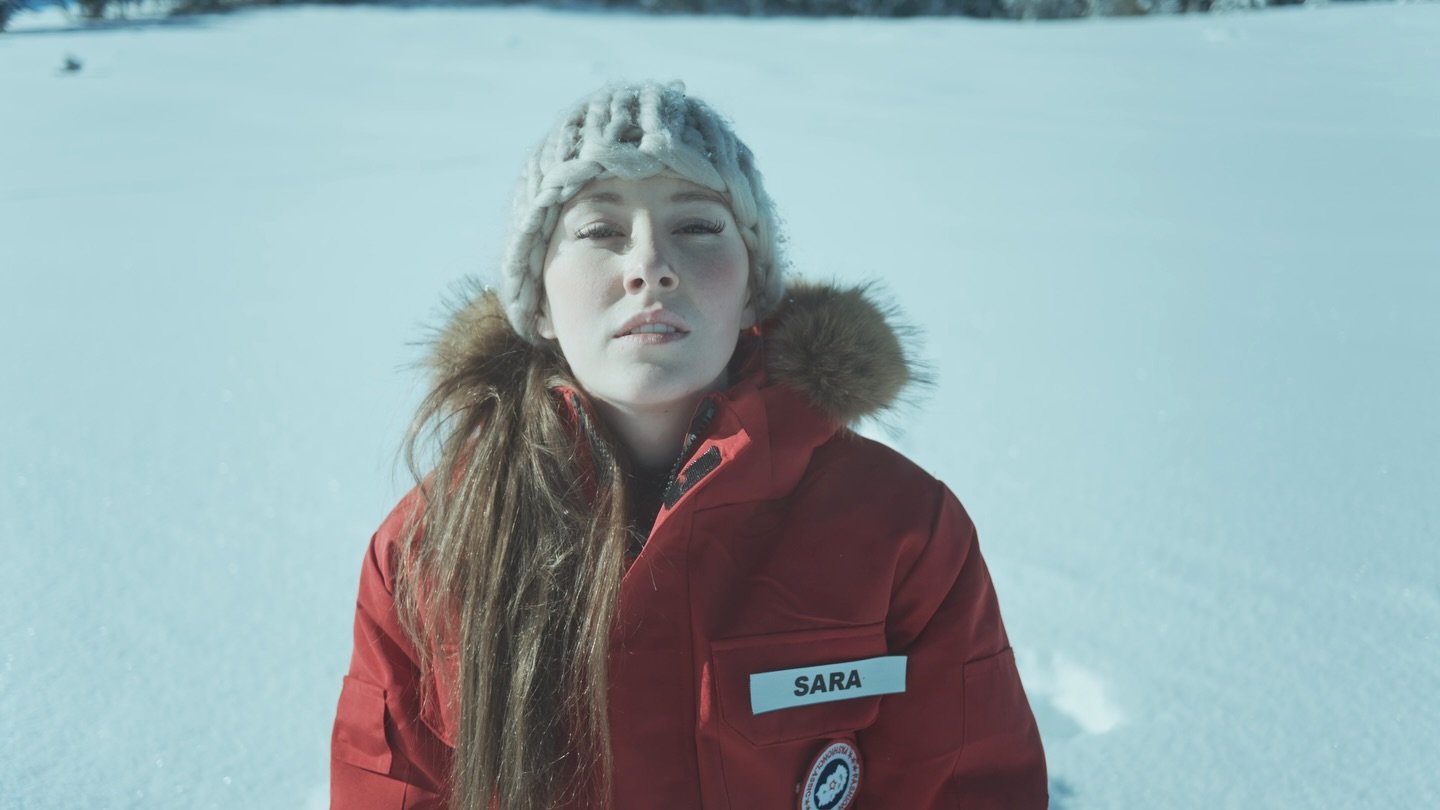
Promotional photo | Weber Theatre FB page
The symbols are everywhere. Ice: water frozen in time. The Beloved: what is truly loved. The Lighthouse. Everything ends up being an improvisational Blues, attuned to the times. Two scientists go to the very end of the Earth to document the end of our stable environment: Ushuaia, Terra del Fuego, and the road out of town to nowhere.
She is there to study life in the ocean. He is there to count penguins on the land and the ice. They share living quarters at the research station. They share a house somewhere else. Their science opens their eyes to what really is. She ends up listening to the ice. He ends up speaking penguin. They both come to fully understand their devotion to their beloved.
This time-disjointed story is held together by the jewel box set, lighting, and video, suggesting times and places and other conversations - and Pepa. The blue ice floor could become a fashion rage. My favorite character is Pepa, the voice of aboriginal memory, or what’s left of it. She poetically describes another way of living in nature, in living with the beloved. A retired sheep herder, she now runs the lighthouse and is the chief storyteller. She has the best lines, too. Don’t read the next two sentences if you don’t want me to spoil it for you. (“A beer is a beer.” “Good intentions will bite you on the a**”)
The whole setup is so Greek to me in the theatre history sense. Athenians went to the theatre to watch stories and make judgments about how to be human, meaning Athenian. A community together listened and then responded in community in real time. More Greek: Didactics is the science and practice of teaching specific content (how-to), while pedagogy is the why/aims/values focusing on the learner’s development. A symposium is a focused formal meeting where experts deliver presentations, share research, and engage in in-depth discussions on a specific topic. (AI helped me with words here. I’m paraphrasing Meta “research.”) In this case, science is used as a tool for contemplation of our place here, “at the end of the world as we know it.”
The personal development and consciousness gained by their experience teaches them the value of listening to what the world is really trying to say. This epiphany opens their eyes to the beloved, in their world and in each other. They see it’s how to live with what time is left. The couple did their parts admirably. I was interested in figuring out their characters since nothing was presented in a linear story. Time jumps all over the place. The three women, definitely the symposium, filled in the gaps. I wish I could have heard their words better but I certainly got the gist. They helped to fill in the missing information and to update real-time events.
I’ve had the best time doing my own dramatury for this brand new play (2022). It was developed through university and college theatre programs. It is a great way of using theatre as a vehicle for social commentary. Those “kids are all right.”
I’ve also learned that when Magellan “discovered” Terra del Fuego in 1520, there were thousands of natives in four major groups lighting their fires along the coast. All of those natives are long gone, along with their languages and stories and knowledge. Their lives were destroyed by disease and genocide. Their land was coveted for natural resources, i.e. oil and gas. Then the land was decimated by sheep. There was no place for them in that world.
Soon, there may be no place for us in this world. Go and see this new way to contemplate climate grief. The grief is real. You feel it, too, don’t you.