

Paid parking is coming downtown: What does that mean for Ogden residents?
The controversial plan was approved by the City Council despite strong community opposition to service a $4 million annual bond debt
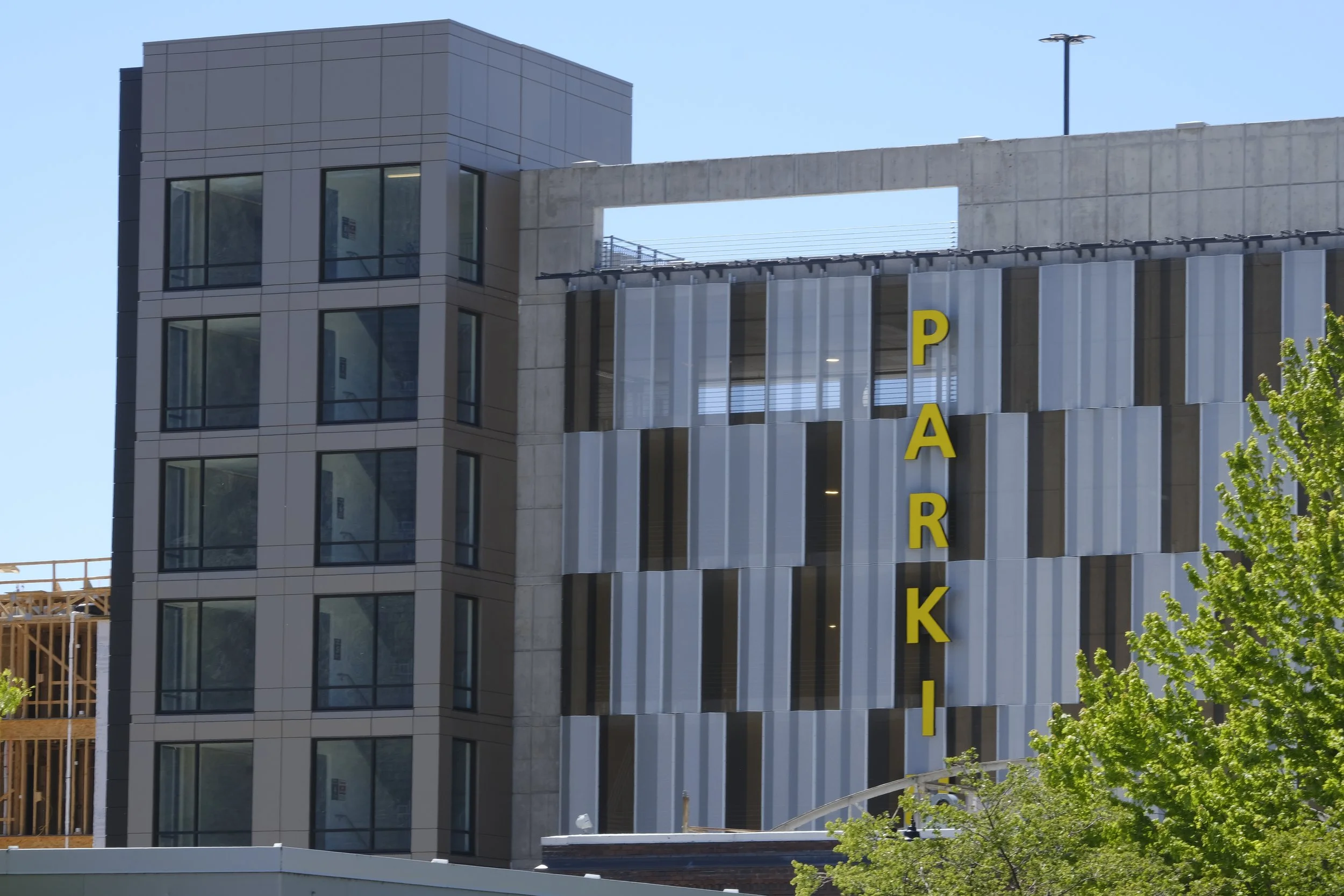
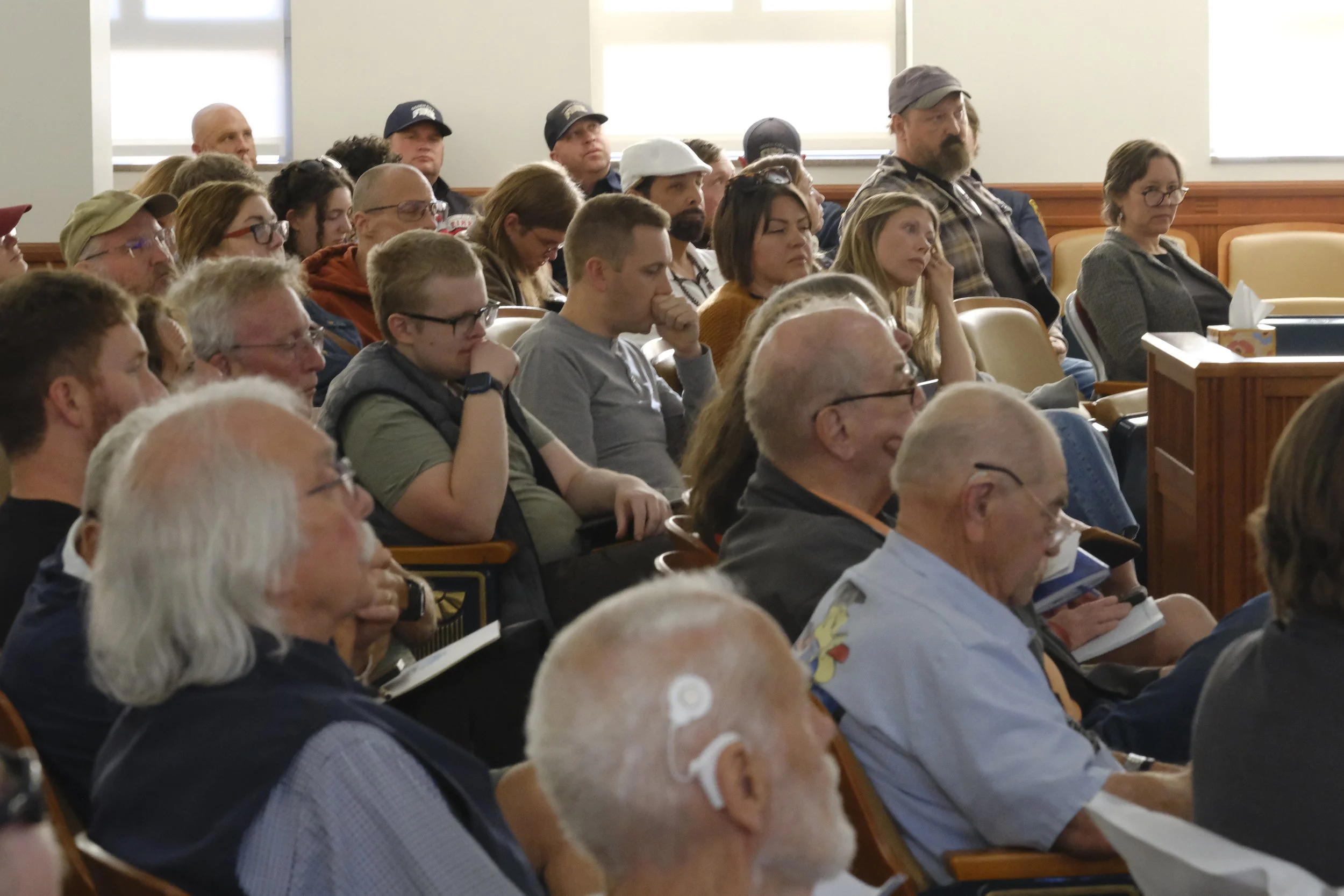
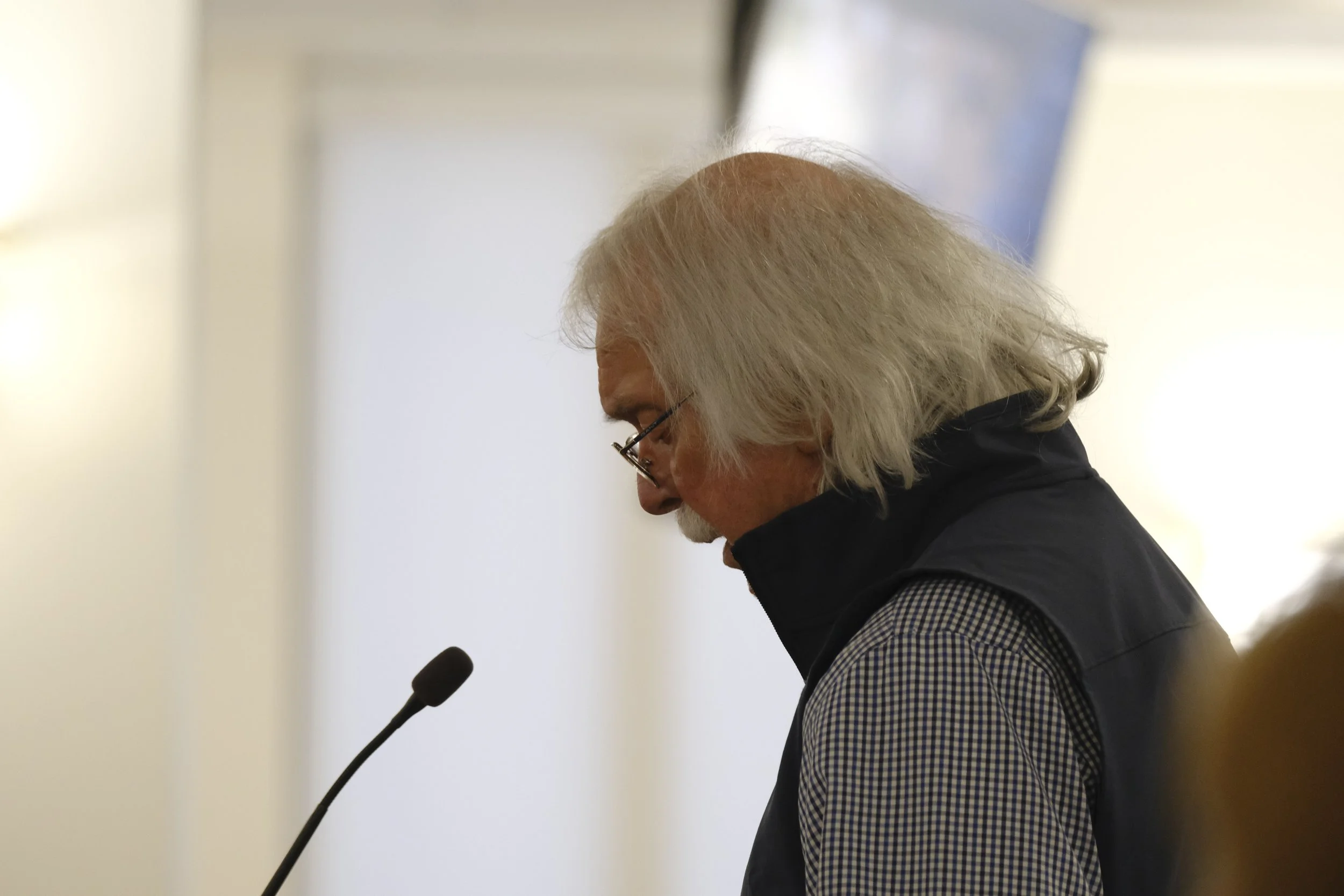
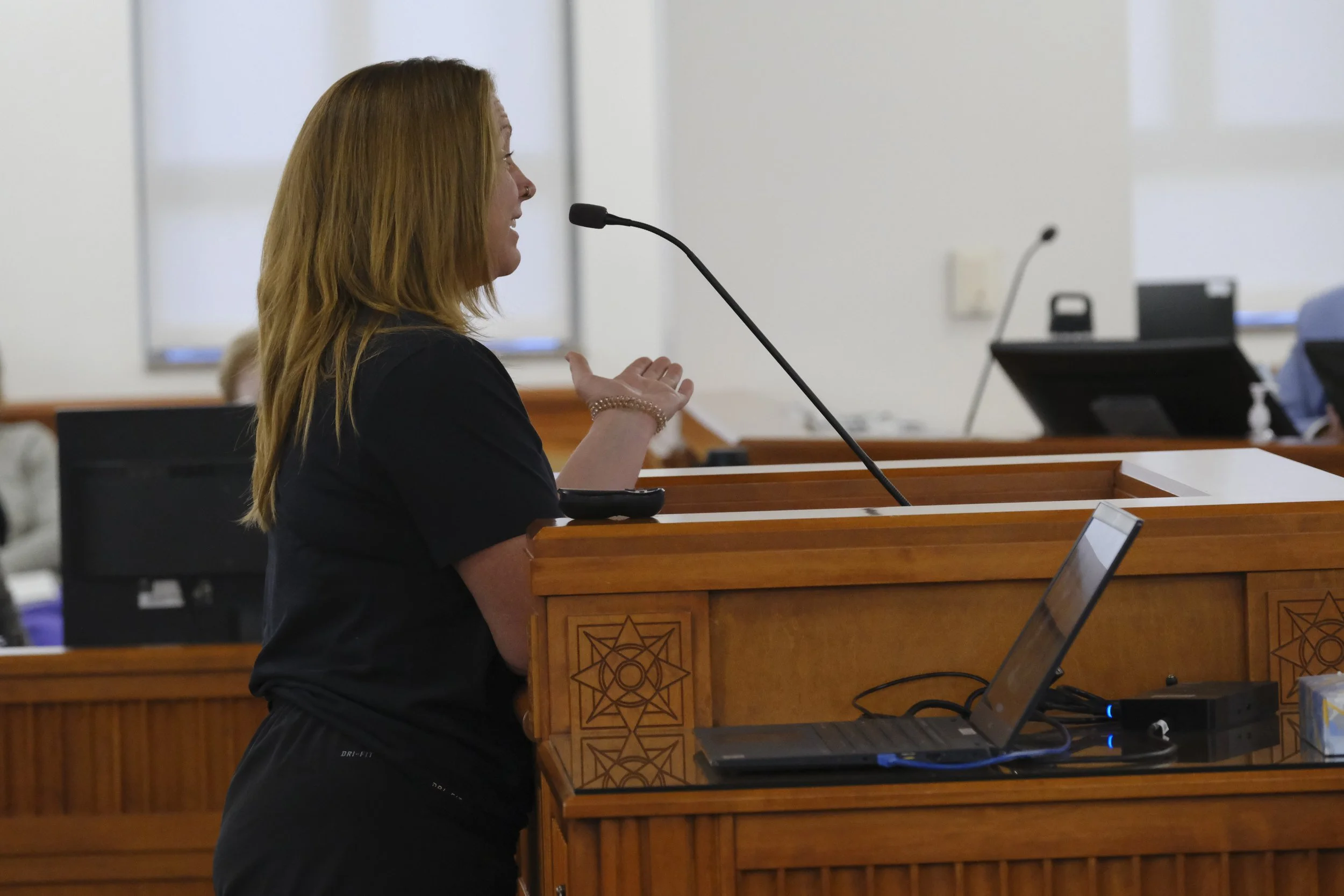
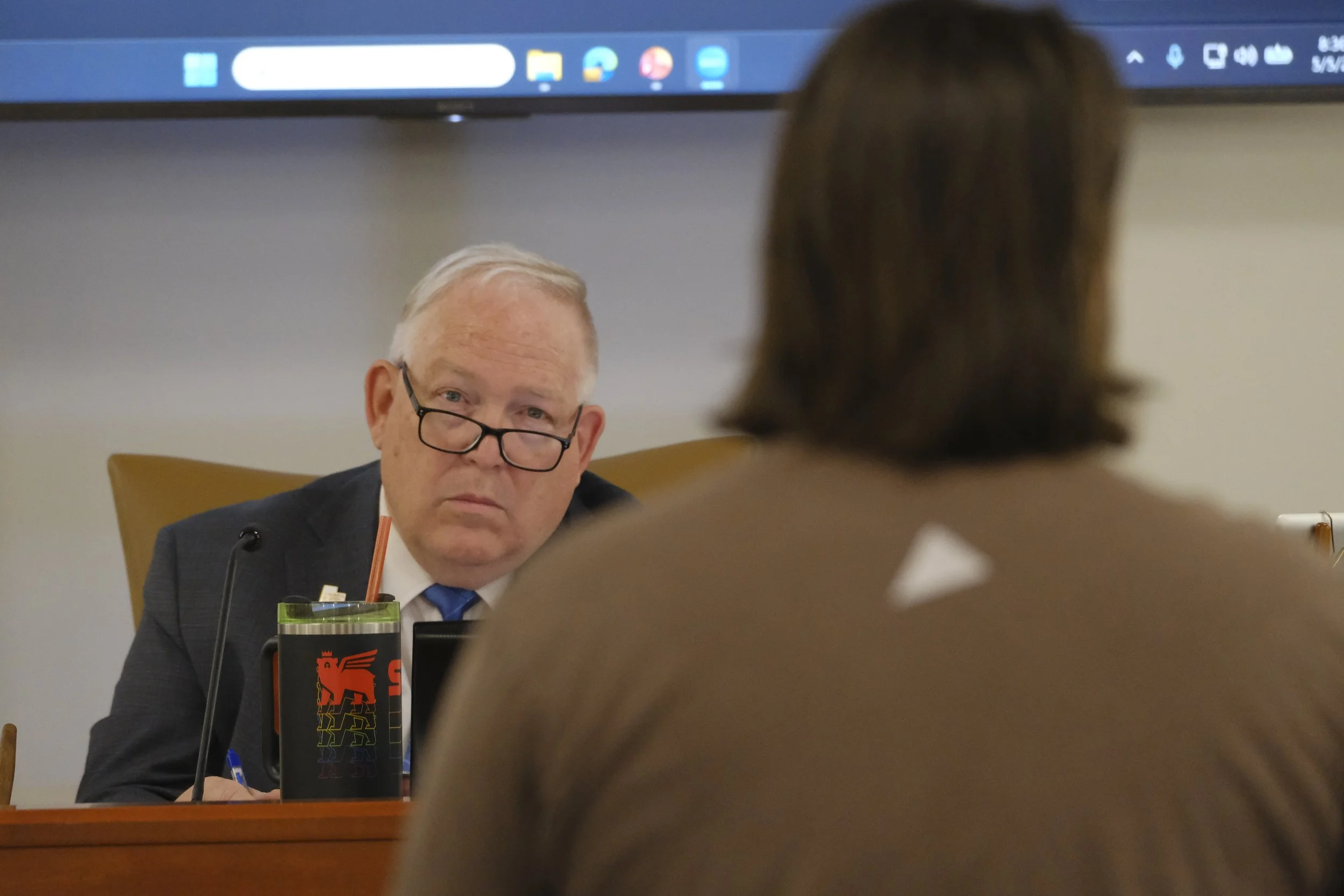
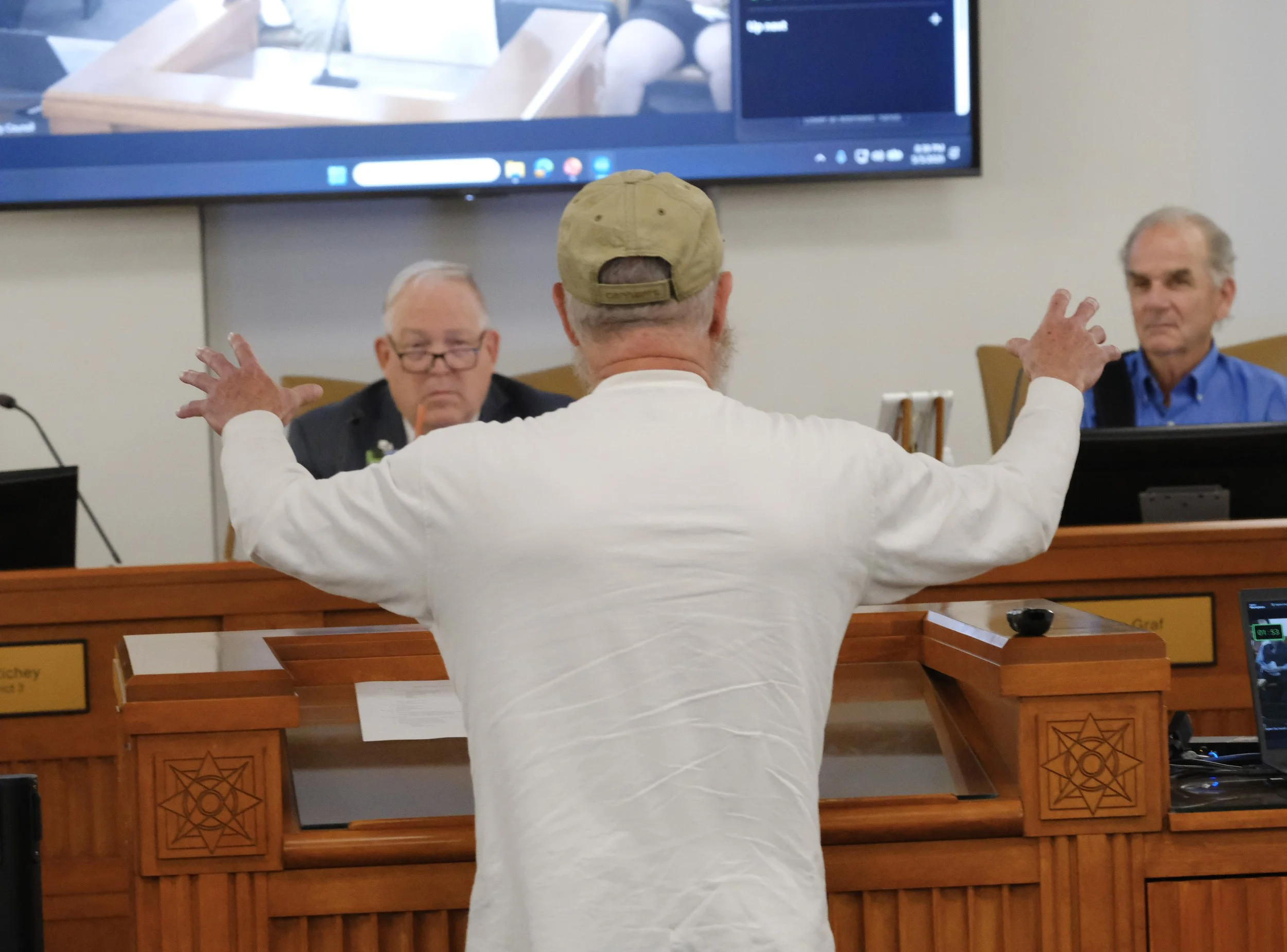
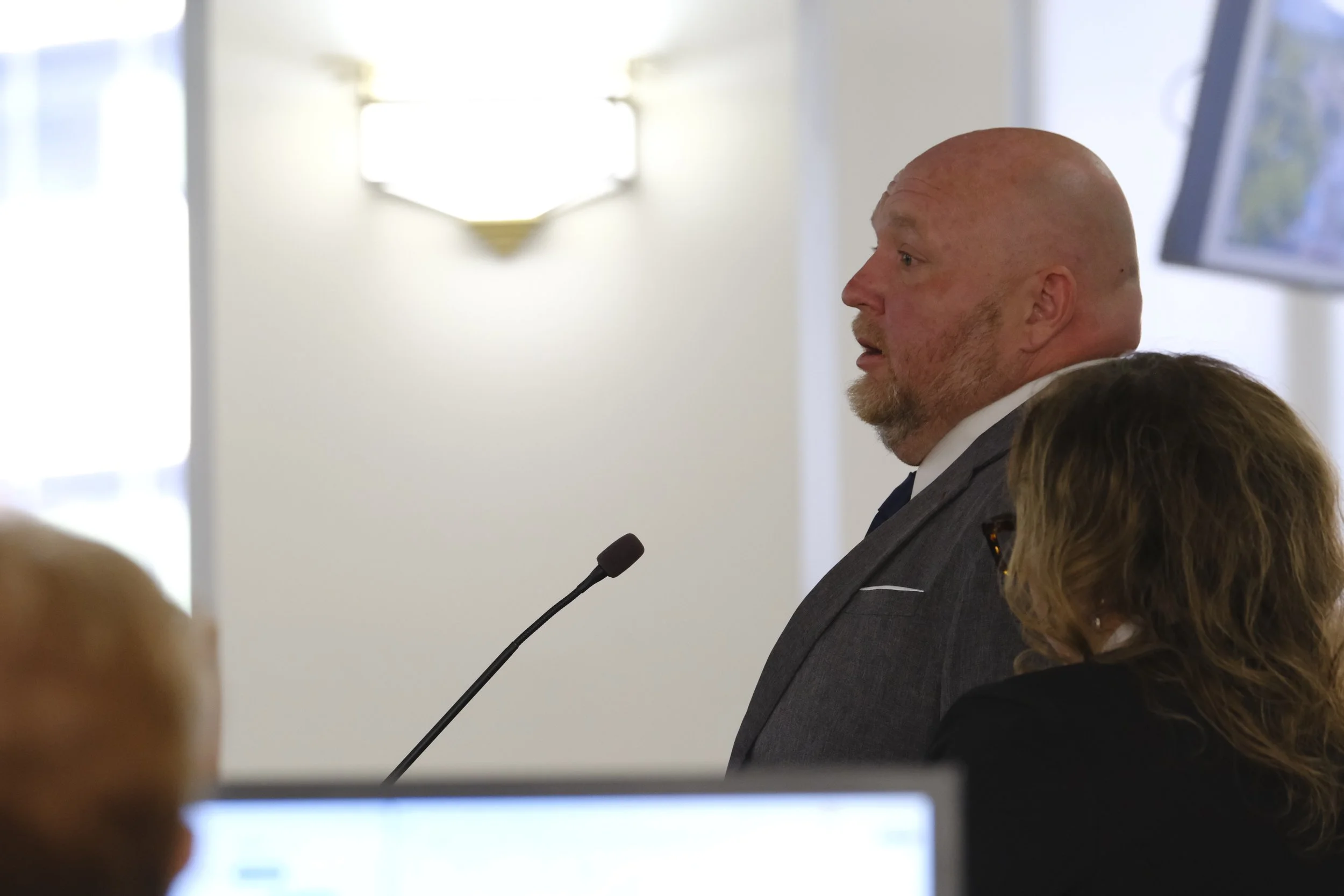
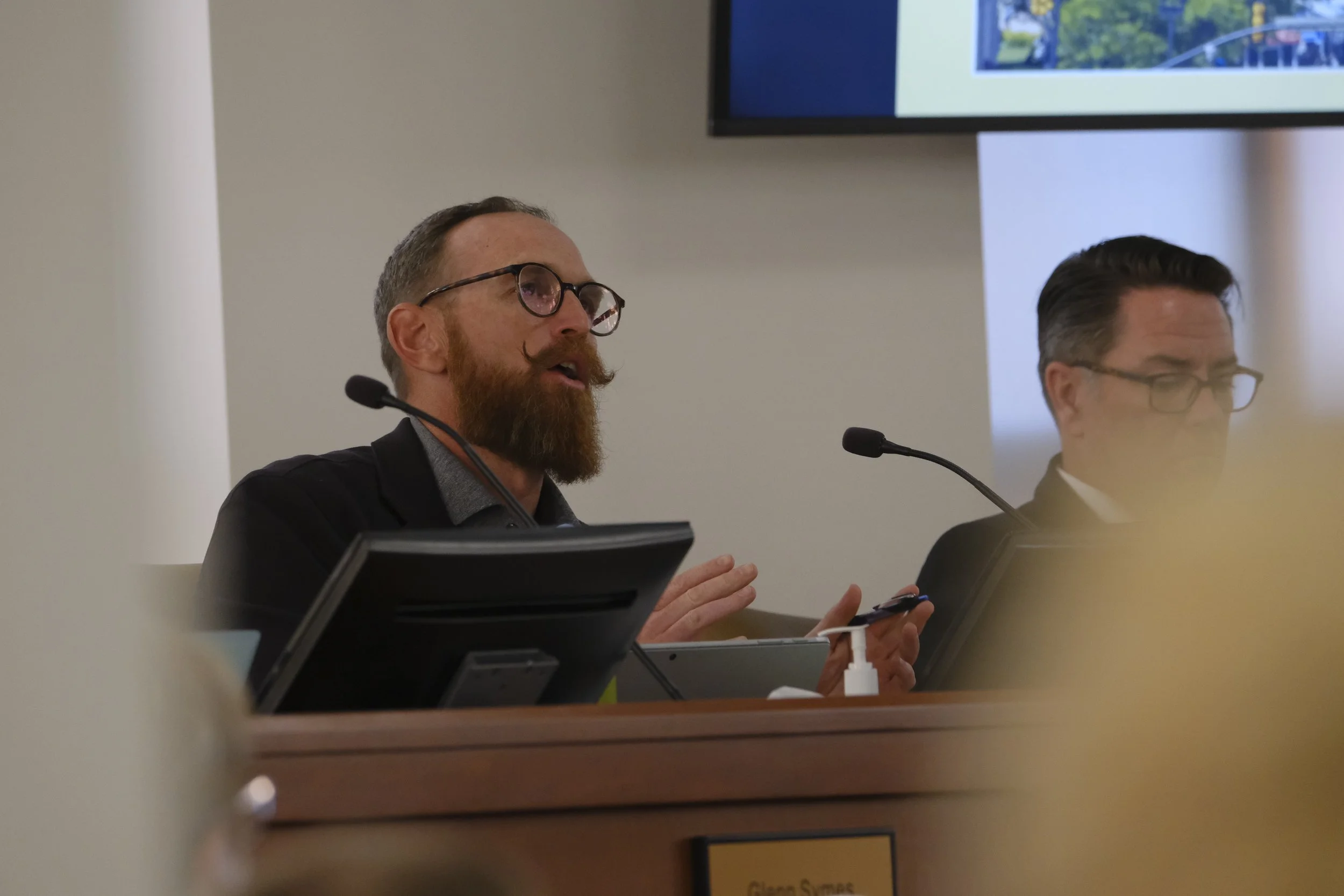
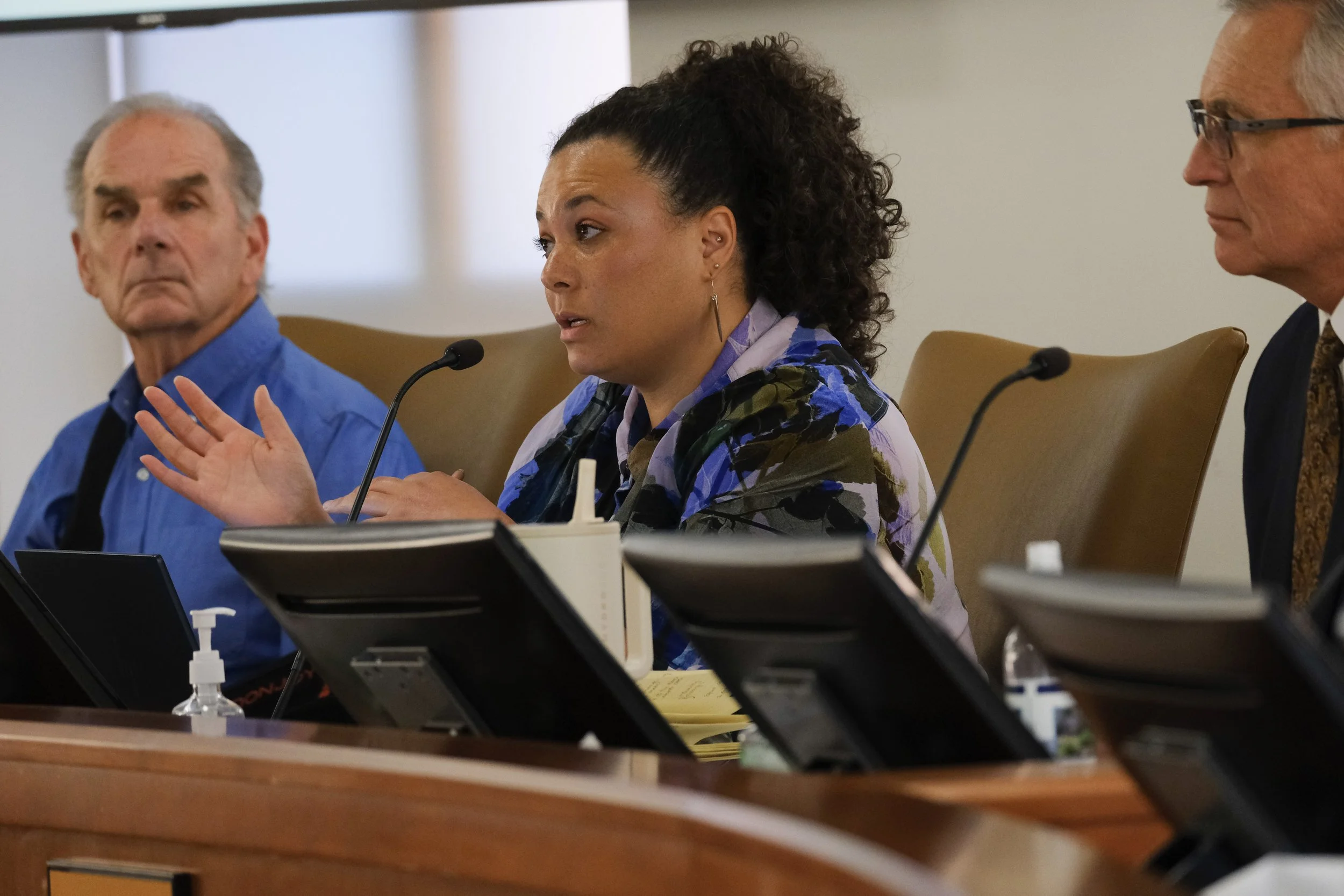
In order: The WonderBlock Garage sits in downtown Ogden near 26th Street and Grant Avenue; Ogden residents and business owners fill council chambers before a vote on the future of parking downtown; Joseph Bauman, city resident, criticizes the city’s financial projections during public comment; Anne Dunaway, an Ogden business owner, stands before city council opposing the paid system saying it will negatively impact downtown businesses; Chair Richard Hyer watches as Lucky Slice Pizza co-owner Nick VanArsdell urges council members to delay the vote on paid parking; A resident speaks before Ogden City Council opposing the proposed paid parking system; Emil Vargason and Lisa Stout answer questions from council members during a presentation on the paid parking system; Council member Kevin Lundell comments before the vote, expressing concerns about the timing and projected revenue of the managed parking plan; Council member Alicia Washington questions city officials following public comment. | James Gordon
Ogden residents and business owners filled the City Council Chambers May 5, many to oppose a vote that would bring paid parking to downtown Ogden, but opposition wasn’t enough to halt the vote.
Although unpopular, the vote will bring a change to the downtown Ogden experience, requiring Ogden residents, business owners and employees, and visitors to pay for the closest parking spots. Paid parking is set to begin June 15, following a 30-day, unpaid introductory trial period in May.
The decision was backed by a study made by city officials and debt the city will have to pay off for years to come.
How it works
The city plans to use Passport Parking, a parking app used throughout Salt Lake City. Residents and visitors will be able to use the app, text-to-pay, or card or coin at kiosks that will be set up around the area to pay for parking by-the-hour.
Parking will be organized in zones, with signage displayed in the area, that visitors will use to enter zone numbers and license plate numbers at payment.
License plate information is stored in the system’s database for ticket enforcement purposes, and it is deleted after a set time period.
Kiosks and the Passport app will be available in English and Spanish. They will be solar powered, and located near ADA spaces. Officials said the kiosks can be moved to a more suitable location if needed.
All paid parking spaces will have a free 15-minute window where residents and visitors won’t be charged. After 15 minutes, the system charges per hour. All ADA stalls on and around Ogden will have 2 hours for free, no app or kiosk required.
Officials said the city will have an introductory period of 30 days where residents won’t have to pay. They said this period was set aside for visitors and Ogden residents to adjust to the app and payment systems.
Ogden also contracted with Interstate Parking, a third-party company, who will employ on-street parking ambassadors who will assist with parking payments and provide directions to downtown visitors. They will also enforce citations.
During their presentation, city officials said they will be ready next month. “The contract is signed,” Ogden City Management Services Director Lisa Stout said when asked about their agreement with Interstate Parking.
Where to park
The current area city officials set for paid parking will include Historic 25th Street, Keisel Avenue from 22nd to 24th Street, the 100 and 200 block nicknamed Electric Alley, 300 block of 23rd Street from Grant Avenue to Washington Boulevard, and the WonderBlock garage.
The rates go as follows: $1.50-$2 per hour for on-street parking, $1-$1.50 per hour for off-street parking, $2.75-$3 for electric vehicle charging lots, $15-$18 for a full-day pass, $80 for a monthly pass.
They added that business employee permits will cost $10 per month.
Special Events, such as concerts, will have different rates and will vary depending on the event. Fees are waived on Sundays and holidays.
Emil Vargason, Ogden city parking operations coordinator, said parking rates work within a range, and can be adjusted 25 to 50 cents up or down if any zones are experiencing any pressure points. “But we just cannot go over that $2 rate without coming back to the city council and saying that we need to increase rates,” Vargason said.
The mayor’s administration will control parking fees, but Ogden City Council sets the pricing range.
Enforcement hours are from Monday to Saturday from 8 a.m. to 8 p.m.
Free parking will still be available in places like Union Station, the Municipal Building (Monday through Friday after 5 p.m.), and The Junction parking garage at 2347 Grant Ave. City officials added surrounding roads will have 2-hour free parking.
How we got here
In 2020, Ogden undertook a project called Make Ogden, a 25-year plan to develop downtown.
A year later, the city conducted a study, using third-party engineering firm Kimley-Horn, to evaluate downtown parking conditions and planned development. The study recommended managed parking from Wall Avenue to Adams Avenue, and from 20th Street to 26th Street.
In 2023, city council approved bonds tied to the WonderBlock parking garage. Under the agreement, the city is responsible for operating the parking facilities and making payments tied to the bond debt.
The debt service of the garage equals to around $4 million per year for the next 40 years.
“To pay for that,” council member Kevin Lundell said April 30 in an Instagram post. “Ogden city council decided that they were going to bring in paid parking to downtown.”
Lundell said projections at the time showed that by 2026, Ogden would be generating about $6.4 million worth of revenue, which would be enough to cover operation expenses, debt repayment, and additional revenue into the city.
In 2024, the paid parking system was being moved to be implemented, but later in the year Mayor Ben Nadolski asked to put a pause on it.
“He was getting a lot of pushback from the community, and a lot of concerns from the community,” Stout said. “And he asked us to just pause and engage in conversations and find out if we could find some middle ground.”
She said after a series of discussions, community meetings, and business outreach, they established a new plan.
“In 2027, this paid parking, which is a much scaled down version, is set to accumulate about $1.7 million,” Lundell said. “That will cover the operating costs but will not be enough to cover the debt expenditures that we have year over year.”
Lundell said if they don’t implement paid parking, the city would have to pull from Business Depot Ogden (BDO) lease revenue to pay off the debt, which is one of the primary sources Ogden uses to improve the community, such as parks, streets, sidewalks and lighting.
“The reality is we have debt to pay, and it’s going to cost us money to operate those parking structures,” Stout said.
Residents push back
During public comment, residents and business owners stood before the council to address the proposed paid parking system, with an overwhelming majority expressing opposition or asking the city to delay the vote.
“It’s an abysmally unproductive budget, “ Anne Dunaway said, owner of Urban Prairie Agriculture. “It doesn’t actually provide the revenue structure that we need to even take care of the bond we’ve agreed to. All it does is jeopardize the small businesses who have to carry that burden.”
After public comment, Dunaway said the council’s decision to proceed with paid parking will mostly impact low-income individuals who work downtown. She added she didn’t feel the council listened to her concerns.
“Those people will be heavily impacted, and they couldn’t be here to make a comment,” Dunaway said. “And nobody cared when I made a comment on their behalf.”
Nick VanArsdell, co-owner of Lucky Slice Pizza, said he’s worried paid parking could deter visitors from coming downtown, potentially hurting businesses that helped revitalize Historic 25th Street. He said local business owners and community members spent years volunteering and supporting events in an effort to bring more people downtown and differentiate downtown from commercial corridors like Riverdale Road.
“This whole project feels a little bit like being punished for our success,” VanArsdell said.
He also questioned whether the city fully understands current parking conditions, arguing ongoing construction over the last two years has impacted parking availability and made it difficult to accurately evaluate demand.
“We don’t know what a full Friday night looks like with a brand new parking garage open,” VanArsdell said. “We don’t know what it looks like without being impacted by construction, and it just seems like it would be wise to wait.”
Some residents did not completely oppose paid parking, but questioned the city’s approach and asked council members to delay the vote.
“They should have tabled it and done more research on it,” Ogden resident Joseph Bauman said. “The city gets in debt with a developer and then they have to bail them out with a $40 million bond? That’s stupid.”
Bauman said the decision council made was the only resolution available because officials were “backed into the corner,” but criticized the city’s financial projections.
“There’s no way in hell they’ll pay this off,” he said, looking at the printed financial estimates city officials provided. “In the year 2030 or ‘31, it’s a negative payment. They’ll never pay that $4 million bill off that they have on their own, and these are the numbers they put together.”
The Vote
After public comment, council members asked city officials questions related to the proposal before discussing the ordinances ahead of the vote.
Council member Flor Lopez asked city officials and Nadolski about the possibility of creating a small business program or grants if businesses downtown are negatively impacted by paid parking. The conversation did not move much further, but officials said they could discuss the possibility further in the future.
Council member Alicia Washington, who frequently questioned city officials throughout the meeting, used her time before the vote to explain her reasoning and urge council members to delay the decision and explore alternative funding options.
Washington’s opposition stemmed from concerns over outdated parking data, incomplete outreach, and uncertainty about whether paid parking was legally required to repay the bond debt.
She read an email response from LRB public finance adviser, Laura D. Lewis, stating: “Given that the security for the bonds are the physical facilities and the related expectation that the city will make the annual lease payments due on the bonds from its general fund, the city is not legally required to impose parking fees as those revenues were not legally pledged to secure the debt.”
After Washington’s comments, Lopez raised concerns about potential conflicts because Washington owns a downtown business. Washington responded by explaining the business was outside the parking zone and had private parking.
Lundell noted that he wasn’t opposed to paid parking, but was concerned with the timing of the decision. He added he was unsure the study accurately reflected his experience of parking downtown, and the projected revenues.
“I worry that the footprint is too small, the revenues are too small to justify the risk and the inconvenience of it all,” Lundell said.
Vice Chair Dave Graf acknowledged the inconvenience paid parking may create, but argued the city must still address the garage debt.
“We’re at a point where we’ve got to figure out how to pay for this,” Graf said. “Because the bonds are out there, the bills are due, and managed parking was first in line to do this.”
Graf added that he believes paid parking will benefit downtown Ogden, referencing the Make Ogden plan and its goal to strengthen the city’s downtown business district.
Council member Ken Richey, who voted in favor of the WonderBlock project, and council member Shaun Myers expressed concerns over the amount of money invested into the project, but said they believed paid parking could benefit downtown in the long run.
“It’s a bullet that we have to bite,” Myers said. “I think it’s the best of all bad choices that we really have.”
The council voted on two ordinances, one implementing paid parking and the other on setting rates. Both ordinances passed in a 5-2 vote, with Washington and Lundell voting against the measures.