

Artist lofts to reshape historic Thorstensen Building in downtown Ogden
NEWS
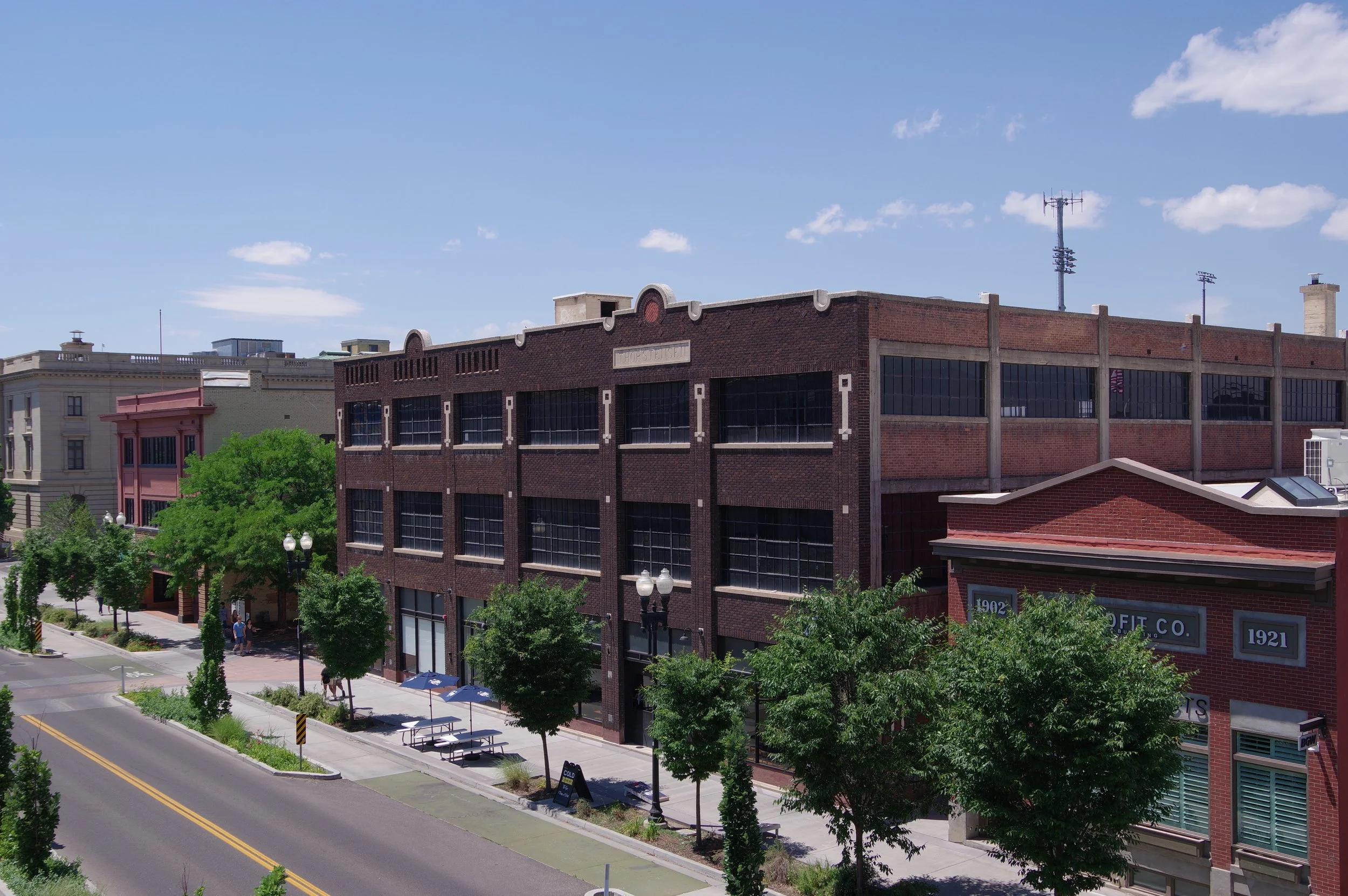
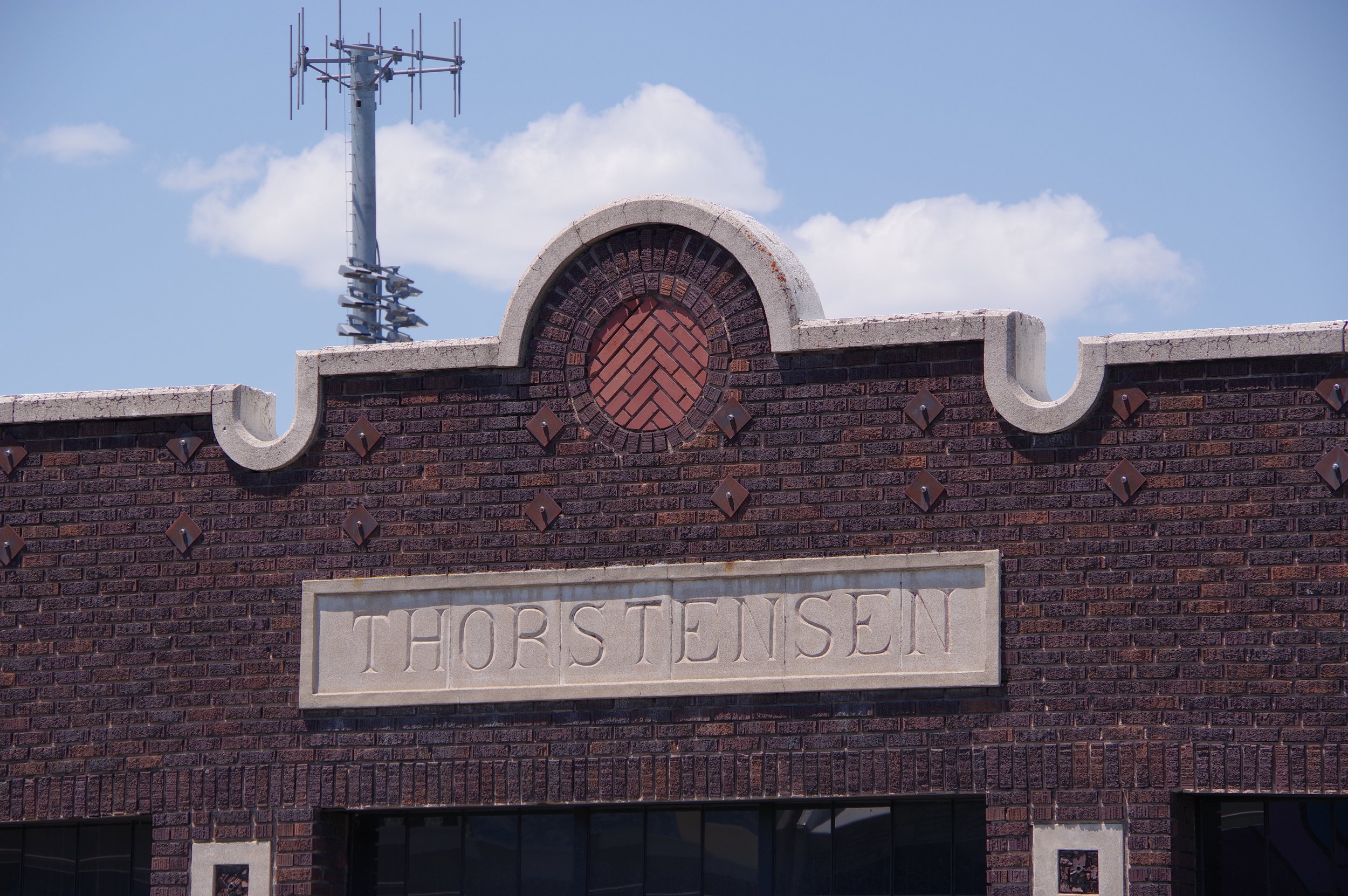
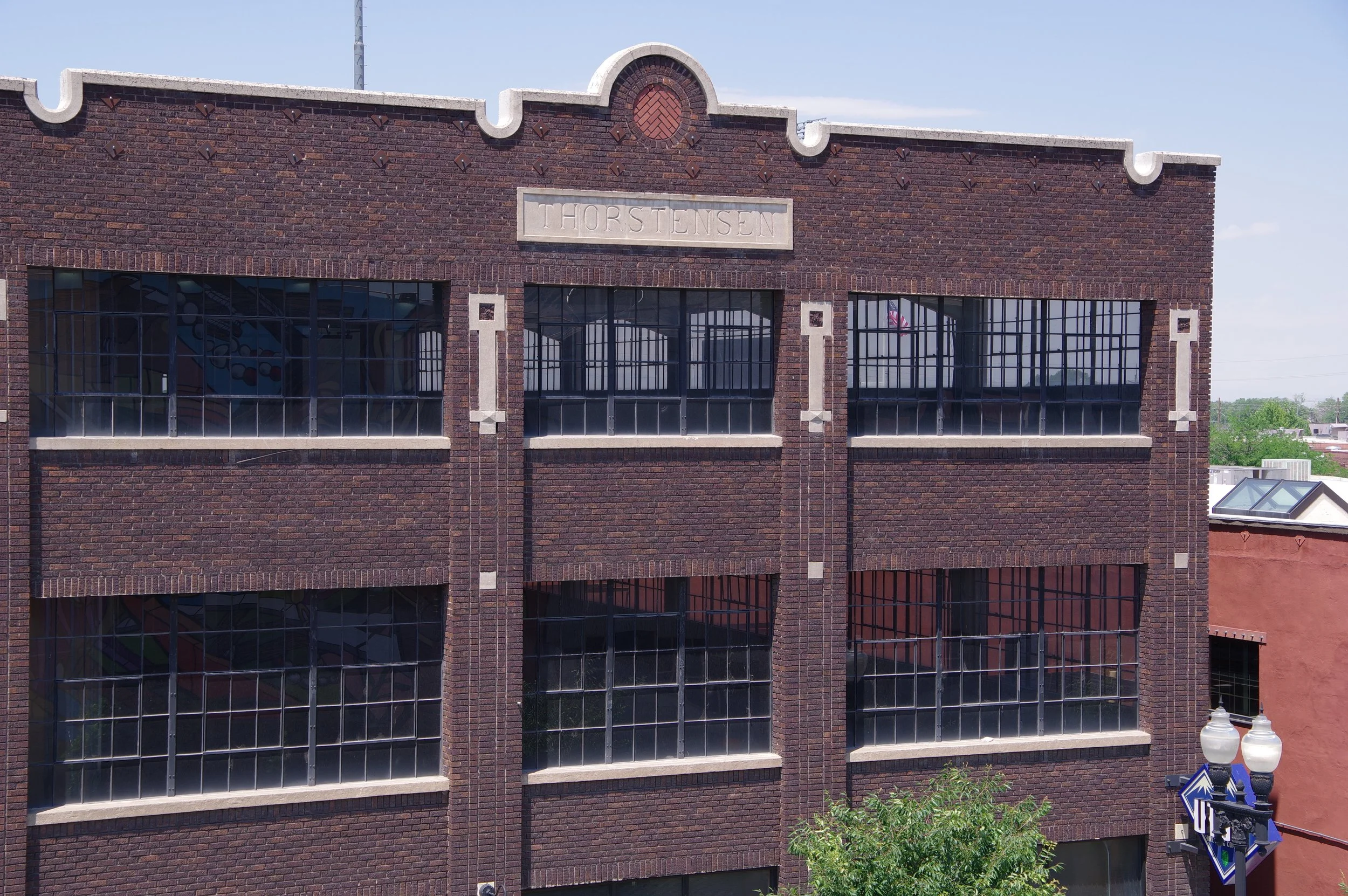
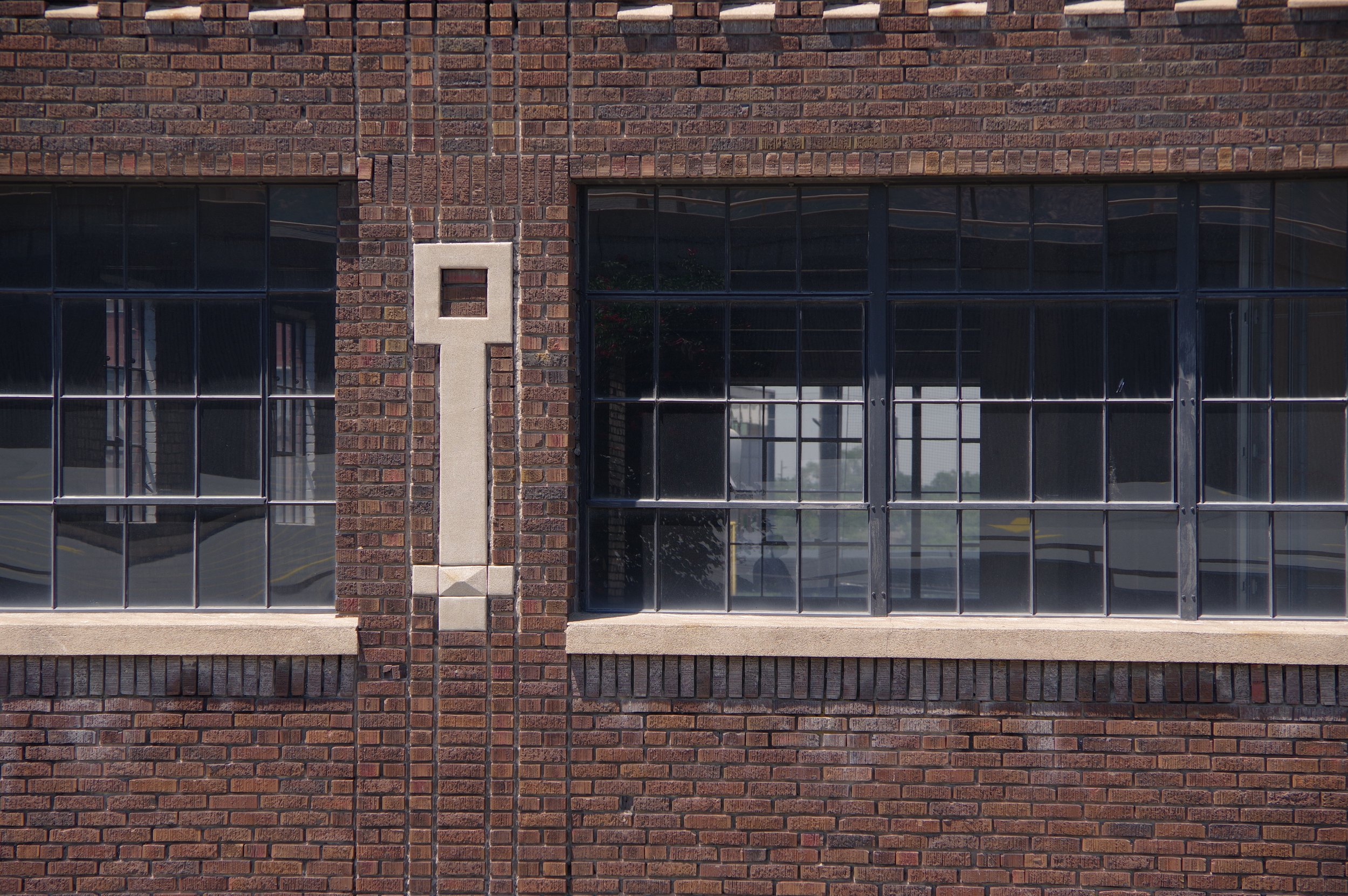
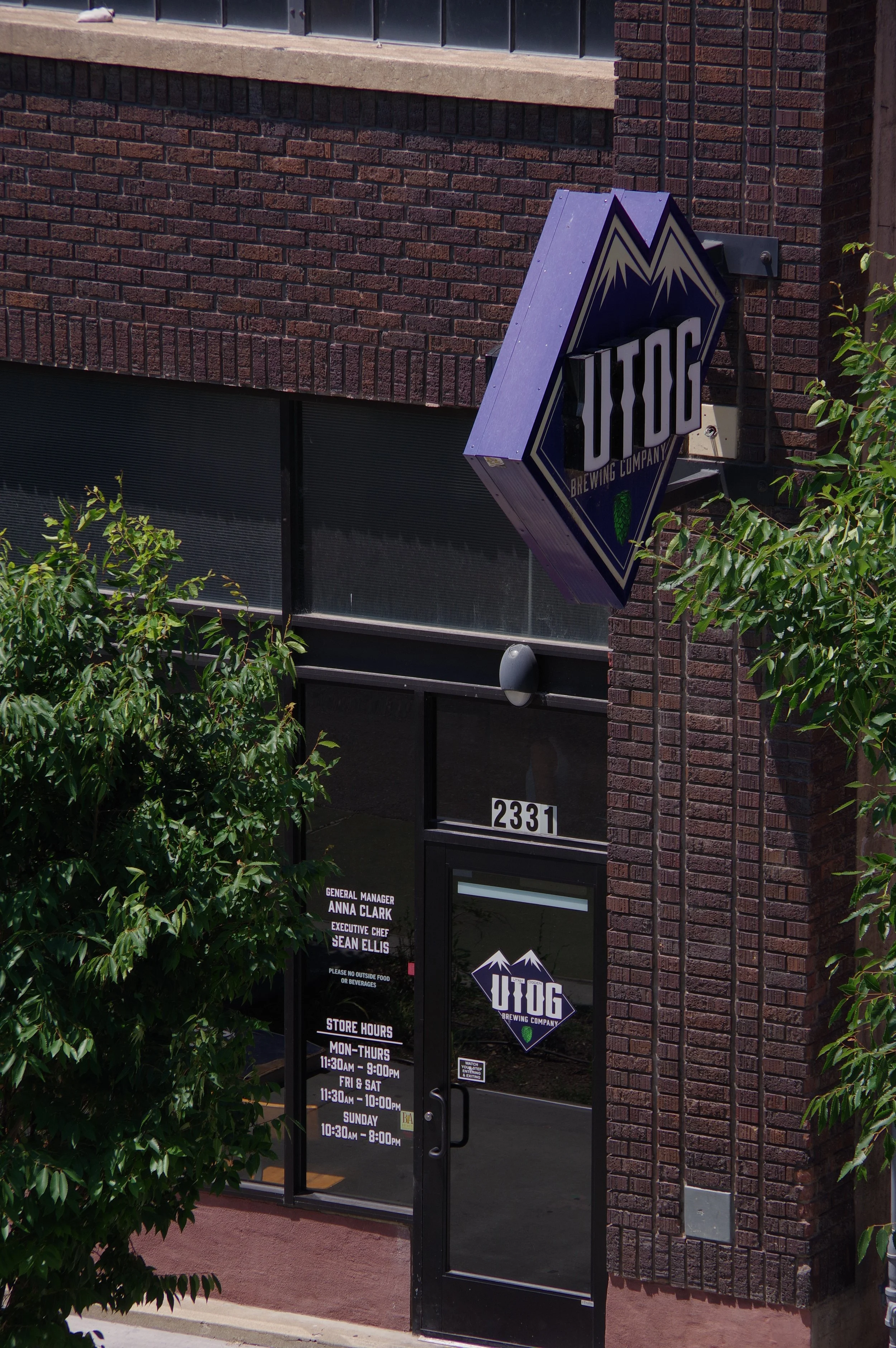
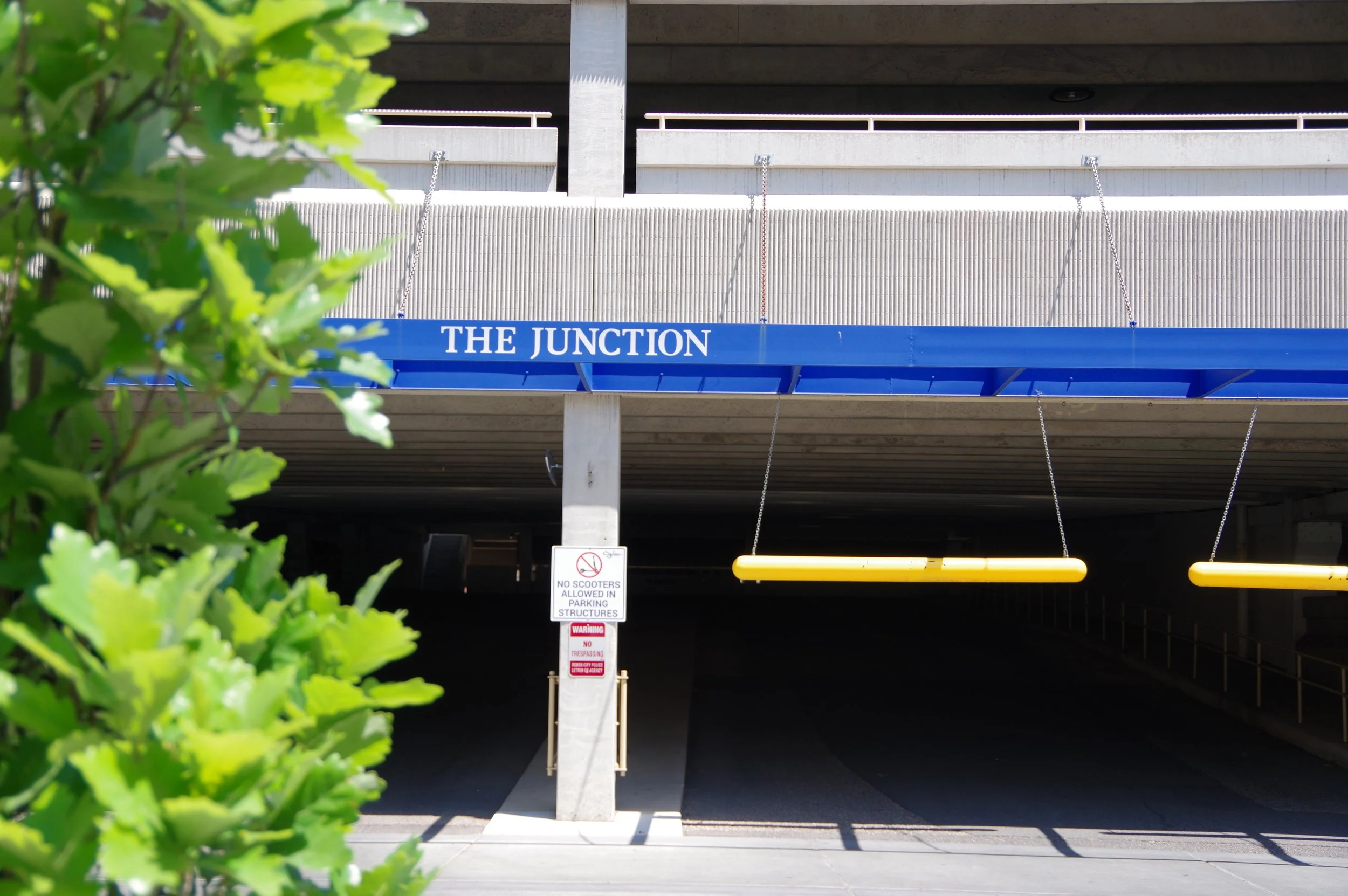
Left to right: The historic Thorstensen Building stands along Grant Ave. across from the Junction Parking Garage in downtown Ogden; The “Thorstensen” name crowns the historic downtown building that could be converted into income-targeted artist lofts under a proposed amendment; Large windows illuminate the upper floors fo the Thorstensen Building, where Lotus Company proposes creating 25 income-targeted artist lofts; Natural light fills the vacant upper floors of the historic Thorstensen Building, the proposed site of 25 income-targeted artist lofts; UTOG Brewing Company occupies the first floor of the Thorstensen Building, while Lotus Company proposes converting the vacant upper floors into artist lofts; The proposed amendment would reserve parking spaces in The Junction Parking Garage for future residents of the Thorstensen Building artist lofts. Photos by Gavin Ellis, June 20, 2026
Editor’s Note, July 15, 2026: This article originally appeared in our July print edition. Since its publication, the proposal was passed during the Redevelopment Agency (RDA) meeting on Tuesday, July 14, by a 4-3 vote. RDA board members Lundell, Washington, Myers and Lopez voted yes. Board members Hyer, Graf and Richey voted no. Project Director Steven Blomquist said the current timeline anticipates starting construction on the project, titled Lotus Crown, in late November, with an estimated 14-month construction period and completion targeted for early 2028. “Based on the 2026 HUD LIHTC rent limits, our one-bedroom units are projected to rent for approximately $1,300 per month,” Blomquist said. Two-bedroom units are expected to be approximately $1,500 per month.
OGDEN, Utah — Lotus Company requested permission to convert the upper levels of Ogden’s historic Thorstensen Building into 25 income-targeted artist lofts after years of unsuccessful attempts to develop the space as luxury residential units.
The proposal, presented during Ogden City Council’s June 16 workshop, amends a 2015 development agreement that originally called for 30 high-end urban loft-style apartments or condominiums.
“The developer is asking that the city change the contract terms of an existing contract,” Economic Development Director Eric Gibson said. “And they are going to be using federal and state historic tax credits for that.”
The Thorstensen Building resides within the Kiesel Community Development area, an area created by the Redevelopment Agency in 2015 to redevelop a portion of downtown containing several historic buildings.
The building sits across from the Junction Garage off Grant Avenue, and currently houses local businesses on the first floor, including UTOG Brewing Company and Restaurant and Wholesale West Embroidery.
Since 2017, Lotus and the city made multiple attempts to fill the upper spaces, including pursuing condominium units and later proposing office space for a software company in 2018. However, residential and office development became more difficult due to inflation and high interest rates.
The shift to 25 lofts will create fewer, larger units. According to Gibson’s presentation, the reduction from 30 to 25 units would ensure every unit has window access, meet city code requirements, and accommodate a live-work concept for residents. Plans also include a shared space on the building’s third floor.
Gibson said shifting to fewer units would have a small impact on the city’s overall revenue and reduce maintenance costs while creating the potential for additional economic activity, though he said those impacts would be difficult to measure.
Gibson recommended approval, saying attempts to redevelop the upper floors had failed and there were no current alternatives to move the project forward.
The proposal prompted council members to debate whether additional income-targeted housing fits the city’s long-term vision for downtown, considering mixed-market housing or finding other uses for the Thorstensen space.
Chair Richard Hyer was the first to question the proposal, asking whether the city had demonstrated a demand for artist lofts.
“Is there a need?” Hyer asked. “I think we do have a pretty good artist culture in Ogden. But, I think we’ve allowed for it too. I just don’t know if there’s some demand that I’m unaware of.”
Hyer also questioned whether the spaces would accommodate different types of artists and who the units were designed for, including whether families could live there.
Gibson responded that the units would function as live-work spaces, allowing artists to create, display and sell their work from the same residence.
Vice Chair Dave Graf shifted the discussion toward economics, questioning whether adding more income-targeted housing would strengthen downtown businesses.
Vice Chairman Dave Graf shifted the discussion toward economics, questioning whether adding more income-targeted housing would strengthen downtown businesses.
“Do we really need to carry more inventory for affordable housing in Ogden City and expect that our downtown is gonna thrive?” Graf asked. “Or is it in our better interest to find market-rate housing in our downtown core, so that we can build some economic vitality.”
Gibson responded that Ogden City holds the majority of the lower-income individuals and low-income housing, and most services are found downtown.
He then explained the two ways cities tend to grow their consumer market. The first is to increase the number of people in an area, creating a larger consumer base. The second is to have a consumer base that has a higher median income in the total population.
“But if we are not moving up that medium income number, then that can harm our ability to recruit some retailers, to recruit some types of jobs,” Gibson said. “Because that’s what they’re looking for is higher incomes.”
Council member Kevin Lundell wasn’t opposed to creating more low-income housing, but was primarily concerned with how additional units would affect other areas and whether the new lofts would attract new residents or simply existing residents from one Ogden neighborhood to another.
“More people is going to create economic opportunity and vitality and that’s going to be a good thing,” Lundell said. “If these do indeed bring in a bunch of new people that would not be here but for we do this, and it is going to sit vacant, then we should consider it.”
Two Lotus spokespersons sat in during the workshop to answer any questions council members had. One question was regarding how loft spaces would be filtered to artists. Steven Blomquist, senior director of development at Lotus, said due to fair housing laws, you can’t restrict the lofts only to artists. So, as long as a resident qualifies for low-income housing, they can rent the unit.
“If it’s a low-income salesperson, or a low-income mechanic, that’s what’s going to be housed there,” Graf said. “It isn’t necessarily going to become an arts community because of the fair housing laws.”
Blomquist told council members that although they couldn't restrict the lofts to artists, that would be the target clientele. He also emphasized that affordable housing is a big motivator behind Lotus Company.
“One of the things we try to pride ourselves at Lotus is building class-A affordable housing, and not just building affordable housing,” Blomquist said. “So, to look at this project and say that we would not want to have affordable housing in this area, I don’t think it’s fair to all residents.”
Gibson said if the amendment isn’t approved, Lotus will continue to hold the property or sell it to another developer. Either option will delay development of the project.
Jake Bird, operations manager at Lotus Company, told council members after 10 years of working on the project and trying a variety of approaches, this concept is the only path forward.
“If we don’t do this process,” Bird said. “Then we don’t have a path forward on this project, and so it will sit vacant for the time being.”
The council members expressed interest in adding another work session to discuss the topic further before making a decision, requesting more data revealing housing trends and introducing more solutions to the Thorstensen space.
The conversation continued in public comment during the city council meeting, with several residents being in support of the housing.
“Low-income residents are not a financial drain. They are the literal engine of our downtown commerce,” Ogden resident Heath Satow said. “Our downtown restaurants, retail stores, hospitality venues, they can’t open their doors without line cooks or servers and artists.”
“If there’s any way we can find data on how that building is being filled,” Lundell said. “I think it can help us make decisions.”
Editor’s Note: As mentioned at the beginning of this piece, the RDA ultimately approved the proposal in a 4-3 vote on July 14.